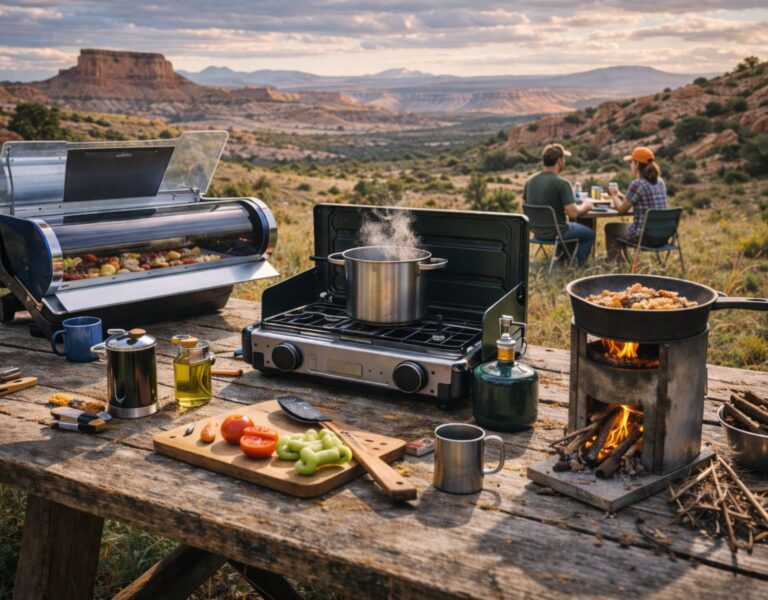
Top 10 Seed Vaults & Food Storage Solutions for Decades (2026 Edition)
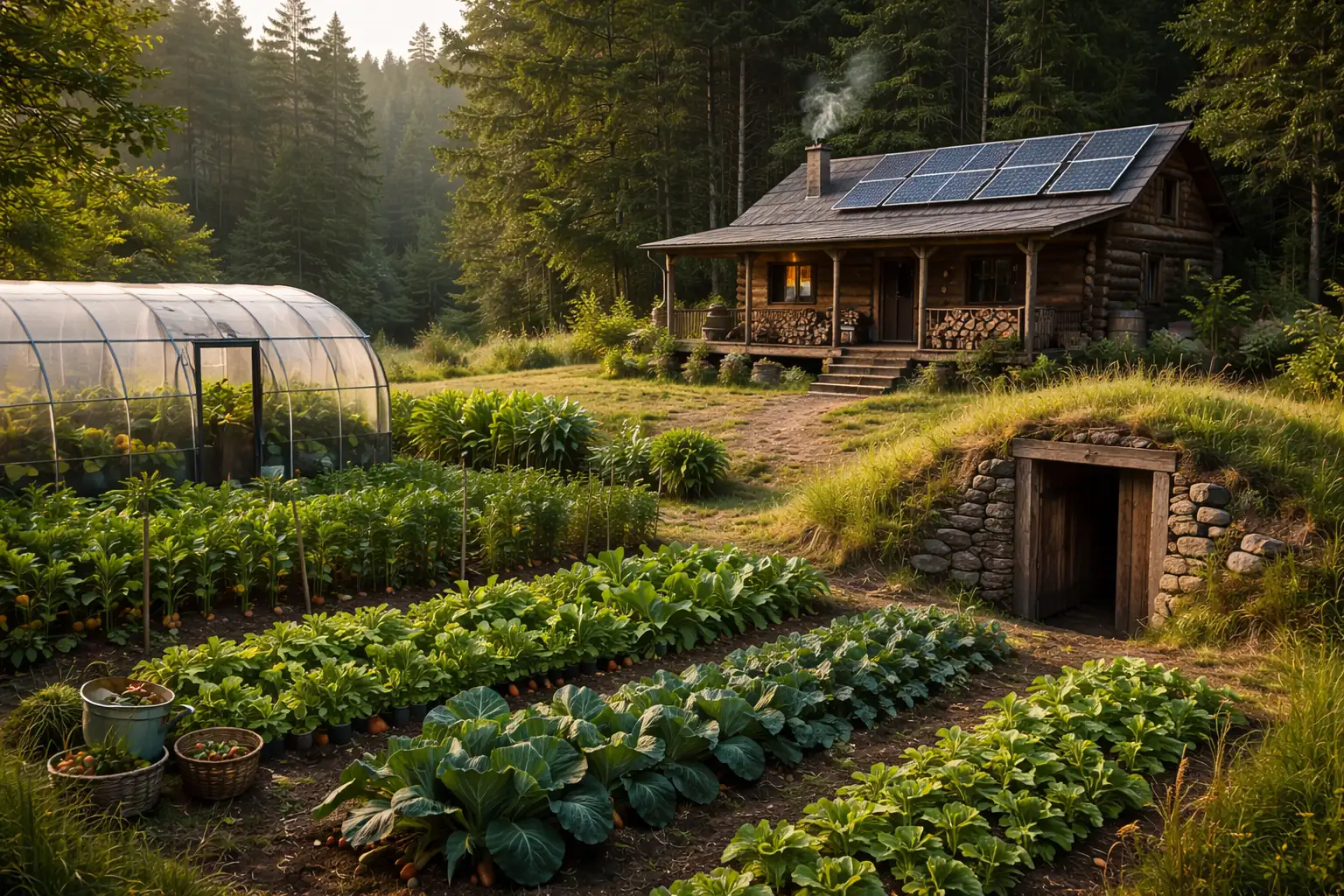
Storing Life Itself
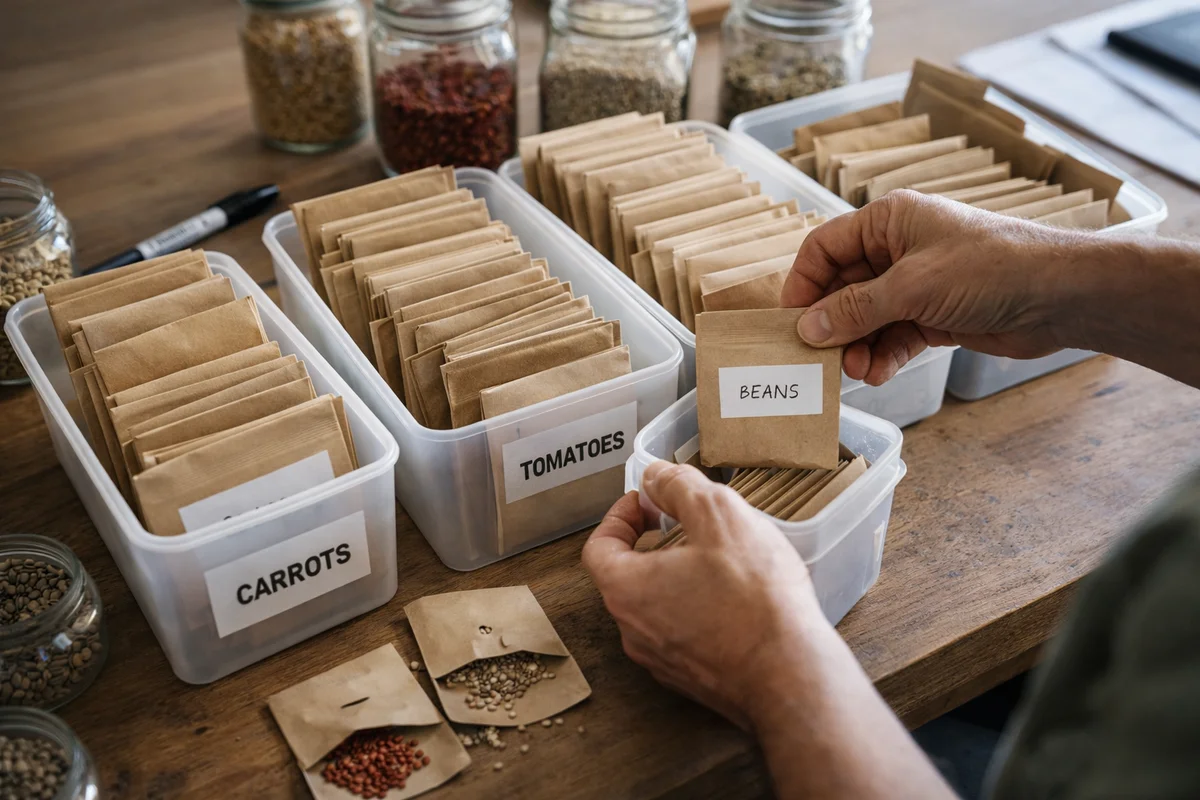
Long-term food security rests on two stores that do different jobs. A pantry carries a household through the months ahead; seed carries a garden into the seasons after that. Both deserve a place in an off-grid plan, yet they follow different rules for packaging, temperature, rotation, and realistic shelf life. Treating a bucket of seed like a bucket of dried beans creates a weak plan before the first label is printed.
This guide compares ten current products and practical systems that can form a dependable reserve. Some provide immediate calories, some help preserve a harvest, and some build a renewable seed library. The useful outcome is a layered food system: food you eat now, food you rotate through the coming years, preserved reserves for genuine disruption, and seed you actively grow, save, test, and renew.
Published shelf-life claims always assume an unopened product stored in a cool, dry, pest-free place. They describe product condition under those stated conditions; complete nutrition, familiar meals, and seed germination still depend on the specific product and its use. Build around foods your household already knows how to cook, water you can reliably supply, and crops that suit your actual growing season.
1. Territorial Seed Company Perpetual Garden Seed Collection — Best Foundation for an Active Seed Library
Type: Garden seed collection with storage supplies | Power: None | Best use: Establishing a garden that is planted, observed, and renewed every season
Territorial Seed Company's Perpetual Garden Seed Collection is a stronger starting point than a sealed “survival vault” for readers who intend to garden. It combines a broad collection of vegetable varieties with storage materials such as a bucket, Mylar bags, and desiccant packaging. That makes it a practical bridge between buying seed and developing the habits that keep seed useful.
The important value lies in the crop mix and the annual work that follows. Choose the varieties that grow well on your site, keep notes on planting dates and performance, and save seed only from varieties whose pollination and isolation needs you understand. A collection may contain excellent genetics, yet it cannot substitute for local adaptation, soil fertility, irrigation, tools, and garden practice.
Its limitation is shared by every large assortment: some varieties will be poor fits for a short season, humid climate, heavy soil, or the household's cooking habits. Open the collection early, grow a meaningful portion, and replenish it with varieties that prove themselves. The unopened packets belong in the reserve; the garden belongs in the plan.
2. Territorial Seed Company Victory Garden Seed Collection — Best Compact Garden Reserve
Type: Vegetable and herb seed collection | Power: None | Best use: A manageable first reserve for an established home garden
Territorial's Victory Garden Seed Collection offers a smaller, more approachable set of garden seed in a protected bucket with desiccant. Its limited scope can be an advantage for a new grower. A concise selection is easier to map into beds, succession plant, and learn well than an enormous list of novelty crops.
Use it as a working collection. Divide packets across two or three growing seasons where the individual packet size permits, record germination and yield, and add locally appropriate staples such as dry beans, storage squash, dent corn, grains, or root crops according to your space and climate. Garden seeds produce calories only when their crop type, area, labor, water, and harvest method match the property.
The bucket protects the collection from light and incidental physical damage, while the storage room remains the true climate control. Keep it off a concrete floor, away from plumbing and fuel storage, and out of a garage that cycles through summer heat. A cool interior closet or dry basement shelf is usually more useful than a dramatic-looking cache.
3. Seed Savers Exchange Heirloom Vegetable Seed Collections — Best for Variety Knowledge and Seed-Saving Practice
Type: Heirloom seed collections | Power: None | Best use: Building crop diversity with transparent variety-level information
Seed Savers Exchange sells heirloom seed collections and individual varieties that suit a more deliberate seed library. The practical advantage is the ability to choose specific crops and varieties, then learn their descriptions, days to maturity, seed-saving difficulty, and pollination habits. That information matters far more than a headline number of “varieties.”
Start with open-pollinated varieties that your household will genuinely grow and eat. Beans, peas, tomatoes, lettuce, peppers, squash, corn, brassicas, and cucurbits each have different isolation requirements. Several tomato varieties can often be saved by a home gardener with careful handling, while corn and many squash varieties demand greater separation or controlled pollination if varietal purity matters. Keep a small seed-saving reference beside the garden records and consult it at harvest time.
Individual packets also support a better replacement cycle. Buy fresh seed for high-value or short-lived crops as needed, save seed from reliable crops, and maintain a dated inventory. The collection becomes a living library with known provenance and a regular use-and-renewal schedule.
4. MIgardener Heirloom Seed Collections — Best Value for Expanding a Working Garden
Type: Heirloom seed collections and individual packets | Power: None | Best use: Expanding a garden reserve without buying years of untested inventory
MIgardener's heirloom collections and low-cost individual seed packets are useful for growers who want breadth while retaining control over the selection. The best approach is to build around a crop plan: fresh vegetables for the season, storage crops for the cellar, dry crops for the pantry, herbs for flavor and medicine-cabinet use, and a small number of pollinator-supporting flowers.
Buying a range of individual packets can produce a more resilient result than a preselected bucket. A northern grower may prioritize peas, brassicas, roots, short-season corn, and storage squash. A warm-climate grower may have room for cowpeas, sweet potatoes, heat-tolerant greens, and long-season beans. The collection should reflect those realities, along with available land and the amount of food the household expects the garden to contribute.
This option relies on the buyer to supply storage discipline. File seed packets in labeled jars, tins, or airtight containers with desiccant, then place the entire set in a cool, dark room. Keep seed dry, freeze only fully moisture-protected seed, and label every packet with crop, variety, source, and year. Good records make a modest collection highly useful.
5. Augason Farms Long-Term Food Storage — Best Building Blocks for a Rotating Calorie Reserve
Type: Shelf-stable food, #10 cans, pails, and kits | Power: None | Best use: Adding familiar dry staples and emergency meal components to a pantry system
Augason Farms offers individual shelf-stable foods, #10 cans, pails, and emergency kits with stated shelf lives that vary by product. Their range is especially useful when a household wants ingredients as well as meals: oats, rice, beans, milk alternatives, baking ingredients, potatoes, dried fruit, and other pantry components can be incorporated into ordinary cooking. That reduces the common problem of holding a large emergency reserve that nobody has tasted.
Read each label closely. A shelf-life figure applies to that item under the maker's stated storage conditions. Calories, protein, sodium, allergens, cooking fuel, and water needs vary sharply across products. A kit with a long calendar life can still fall short of an adult's daily energy needs, and several meal pouches may require more water and fuel than a disrupted household can conveniently spare.
The strongest use is as one layer of a normal pantry. Build recipes around the ingredients, replace used stock with fresh purchases, and keep a printed inventory. Store cases on shelving that can support their weight, with the oldest dated products at the front. A dry, cool room with stable temperatures protects both product quality and the money already tied up in the reserve.
6. Mountain House #10 Cans — Best Long-Life Meal Component for a Low-Preparation Reserve
Type: Freeze-dried food in #10 cans | Power: None for storage | Best use: A compact reserve for short disruptions, evacuation support, or an occasional no-cook-fuel meal plan
Mountain House #10 cans are widely available and come in meal, breakfast, protein, and ingredient formats with product-specific shelf-life statements. The cans are convenient for a reserve because they store compactly, resist light, and avoid the fragile feel of flexible pouches. Their real advantage is familiarity: households can buy a few items, cook them at home, and decide which flavours and portions are worth keeping.
They should occupy a defined role. Freeze-dried meals support a pantry, a field cache, or a temporary disruption well, but they are expensive as the entire basis of a year-long food plan. Most require potable water and usually benefit from hot water, which connects food storage directly to water storage, filtration, cooking equipment, and fuel planning. Account for those inputs before treating a can count as a complete resilience number.
Once opened, a #10 can has a much shorter usable period than its unopened storage life. Divide an opened can into smaller airtight jars or use it promptly, following the product instructions. Plan meals around the actual number of servings your household will eat and the preparation water and fuel those meals require.
7. Harvest Right Home Freeze Dryer — Best Tool for Preserving a Productive Harvest
Type: Home freeze dryer | Power: Significant electrical load | Best use: Converting home-grown food and prepared meals into long-storage reserves
A Harvest Right home freeze dryer gives a productive household the ability to preserve its own food at a scale that changes the pantry. It can process garden produce, meat, dairy, leftovers, and complete meals, provided the food is properly prepared, packaged, and stored after the cycle. The result is lightweight, fast to rehydrate, and capable of long storage when moisture and oxygen are controlled.
The machine belongs in a system plan. It requires indoor space, ventilation and room-temperature management, ongoing maintenance, clean trays, packaging supplies, a vacuum pump, and a dependable electrical supply. Its energy use and cycle duration vary with machine size, food moisture, room conditions, and batch composition. Off-grid owners should obtain the current manufacturer electrical requirements for the chosen model, measure their inverter and battery capability, and plan runs during strong solar production or other available generation.
Freeze drying earns its place where there is enough harvest, hunting, fishing, bulk buying, or meal preparation to keep it in regular use. A small garden may gain more resilience from canning equipment, a dehydrator, a pressure canner, good shelves, and better crop planning. Preserve the foods that are abundant locally and make sense in the household's diet; a capable appliance cannot rescue a weak storage routine.
8. Wallaby Mylar Bag and Oxygen Absorber Storage Supplies — Best Packaging Layer for Dry Foods
Type: Mylar bags, oxygen absorbers, labels, and bucket-compatible supplies | Power: Heat sealer or household iron | Best use: Packaging low-moisture dry foods for long storage
Wallaby packaging supplies are a useful example of the materials needed to pack dry foods for deep storage: food-grade Mylar bags, appropriately sized oxygen absorbers, labels, and a method of making a reliable seal. The brand matters less than the method. Buy food-grade bags with suitable thickness, fresh absorbers from a sealed package, food-safe buckets where physical protection is needed, and labels that will remain readable for years.
Only package dry foods suited to oxygen-reduced storage. White rice, dry beans, wheat, oats, pasta, and similar low-moisture foods are common candidates when they are clean, dry, and free from visible infestation. Brown rice, whole-grain flours, nuts, and other high-fat foods have much shorter quality windows because oils oxidize. Home-dried food needs controlled final moisture, verified through a suitable preservation process, before long storage.
The sealing station deserves a practice run. Test a few bags with rice or beans, make a double seal where the bag design allows, inspect the seam after it cools, and mark the contents, weight, packaging date, absorber size, and expected rotation date. Place sealed bags in buckets or bins to protect them from punctures, rodents, and handling damage. Oxygen absorbers reduce oxygen; dry food, a sound seal, and a cool storage room remain essential parts of the package.
9. DIY Micro Seed Vault — Best Deep Backup for an Established Seed Library
Type: Organized low-temperature seed storage system | Power: Optional, depending on design | Best use: A protected backup of tested, well-dried seed
A DIY micro seed vault is a carefully inventoried set of seeds stored in small moisture-resistant packets, then protected in sealed secondary containers in a stable cool location. A refrigerator can add temperature stability for a deeply important reserve, while a dry interior space may be fully adequate for a working collection. The correct design follows the value of the seed, the reliability of available power, and the household's ability to maintain records.
Moisture control comes first. Seed must be dry before it enters a sealed container, and any container moved between a cold area and a warm room should remain sealed until it reaches room temperature. That prevents condensation from forming on cold seed. Use small labelled envelopes or packets inside jars, tins, or gasketed boxes with desiccant, then keep the inventory in a spreadsheet and a printed ledger.
Avoid turning a chest freezer into a casual seed vault. Freezing can preserve properly dried seed in stable conditions, yet a frequently opened freezer, unreliable power source, or loosely packed seeds creates unnecessary risk. A dedicated, well-organized reserve with occasional access and a known temperature history is more useful than a dramatic setup that cannot be maintained. Keep duplicates of irreplaceable varieties in a second location.
10. Gamma2 Vittles Vault — Best Everyday Bulk-Food Container for an Active Pantry
Type: Gamma-seal style bulk-food container | Power: None | Best use: Protecting rotating dry goods from pests and spills
Gamma2 Vittles Vault containers are designed as durable, gasketed bulk storage with screw-top access. They are highly practical for flour, rice, oats, beans, pet food, and similar items that are used regularly. The easy-opening lid encourages rotation because a household can reach the food without breaking open a deep-storage package.
Use these containers for the active layer of the pantry, alongside separately packaged long-term reserves. Fill them with foods that the household cooks every week or month, label the food and purchase date, wash and dry the container thoroughly between refills, and keep it away from moisture and direct sun. A container protects against many household pests and makes storage orderly, while the food's inherent shelf life still governs how long it remains at good quality.
This everyday layer is the part of a food reserve that proves itself. It reveals how much rice, oats, beans, flour, oil, salt, spices, and cooking fuel the household really uses. Those records lead to a credible long-term plan because they replace broad assumptions with known consumption.
Comparison Table
| System | Type | Primary role | Power needs | Main strength |
| Territorial Perpetual Garden Collection | Seed collection | Working seed library | None | Seed plus storage materials |
| Territorial Victory Garden Collection | Seed collection | Compact garden reserve | None | Manageable crop selection |
| Seed Savers Exchange collections | Heirloom seed | Variety-level planning | None | Seed-saving information and choice |
| MIgardener collections | Heirloom seed | Value-driven expansion | None | Flexible crop selection |
| Augason Farms storage foods | Dry and shelf-stable food | Pantry reserve | None | Ingredients and meal components |
| Mountain House #10 cans | Freeze-dried food | Compact backup meals | None for storage | Convenient, familiar portions |
| Harvest Right freeze dryer | Preservation appliance | Home-grown reserve | Significant electricity | Preserves harvest and meals |
| Wallaby Mylar supplies | Packaging system | Deep dry-food storage | Small sealing load | Controlled packaging layer |
| DIY micro seed vault | Storage approach | Backup seed reserve | Optional | Tailored climate and inventory control |
| Gamma2 Vittles Vault | Bulk container | Active pantry rotation | None | Frequent access and pest resistance |
Long-Term Storage Environments: Where You Put It Matters More Than What You Store
The storage room sets the ceiling on every product's performance. A perfect package moved into a hot attic, damp outbuilding, flood-prone basement corner, or uninsulated garage starts losing its margin immediately. Stable cool temperatures, low humidity, darkness, clean shelves, and pest control protect food and seed at the same time.
Choose a location before buying large quantities. Look for a room that stays dry through spring melt and heavy rain, can be kept clean, has space for shelving and an aisle, and remains accessible during a storm or winter outage. Elevate containers above the floor, leave a small air gap behind shelves, and keep them far from chemicals, gasoline, paint, and strong odours. Food packaging can be damaged by physical conditions long before the date on a label arrives.
Temperature matters especially for seed and high-fat food. Cool conditions slow seed aging and limit rancidity, while heat accelerates losses that cannot be reversed. Dry staples are more forgiving than seed, yet they also keep their quality better in a stable indoor environment. A basement can work well when it is genuinely dry; a dehumidifier, water alarm, drainage correction, or shelf relocation may be the better investment before any more buckets are purchased.
Humidity needs a measured response. Put a simple hygrometer in the storage room and check it through the wettest part of the year. Desiccant belongs inside carefully sealed seed containers or packaging systems, while the room itself needs ventilation, dehumidification, drainage, and leak control. Moldy cardboard, rust on lids, wet shelf feet, or a musty smell are direct warnings that the environment needs attention.
Plan for access as carefully as climate. Deep storage that requires moving heavy buckets, climbing into an unsafe crawlspace, or searching through an unlabelled shed will be neglected. A central aisle, durable shelving, a small step stool, good task lighting, and a place to set an inventory clipboard turn routine checks into a ten-minute job. Keep the first several weeks of food convenient to reach, while deeper reserves can occupy the less accessible shelves.
Fire separation adds another layer of protection. Keep food and seed away from fuels, batteries, generators, charging equipment, solvents, pesticides, and paint. A dedicated pantry room is ideal; a clearly separated dry-storage zone can work in a smaller home. The purpose is clean food, easy inspection, and an environment that limits contamination risk from spills, fumes, and mechanical work.
Off-Grid Food & Seed Storage Logic
Temperature
Cool, stable storage preserves quality across the whole system. For seed, aim for a consistently cool environment and avoid repeated temperature swings. For dry food, follow the maker's storage conditions and keep supplies away from heaters, stoves, sunny windows, and roof spaces. Record the room's seasonal high and low temperatures before committing its shelves to a deep reserve.
Humidity
Dry conditions prevent mold, corrosion, clumping, and seed damage. Use a hygrometer to understand the room, desiccant only inside appropriately sealed containers, and sound building maintenance to control the source of moisture. A flooded or chronically damp room needs remediation before it becomes a food store.
Oxygen
Oxygen absorbers are useful for suitable dry foods in sealed Mylar bags or approved containers. They help limit insects and oxidation. Wet foods need a tested preservation method, pressure-canned foods need their own tested process, fatty foods need an appropriate rotation schedule, and seed needs its own dry, cool storage plan. Keep absorbers sealed until use, size them to the container and food, and work in small batches.
Layered Protection
Use layers that each perform a clear job: properly dried food or seed; a suitable primary package; a sealed, labelled secondary container; a pest-resistant shelf or bin; and a stable storage room. This arrangement makes inspection easier and prevents one small puncture, spilled bucket, or pest incident from affecting the entire reserve.
Seed Longevity vs Germination: What “Shelf Life” Actually Means
Seed longevity is a probability shaped by species, seed maturity, drying, temperature, humidity, and handling. A printed claim may describe the storage potential of a packet packed under controlled conditions. Onion and parsnip seed generally lose vigor much sooner than many beans, peas, tomatoes, or brassicas. The variety, source, and year on the label matter.
Germination testing turns uncertainty into information. Every year or two, pull a small sample from older packets, place the seeds on a labelled damp paper towel or in a suitable test medium, keep the test at the crop's preferred germination temperature, and count the seedlings after the expected period. Record the number tested and the number that germinate. A declining result signals that it is time to sow more densely, use the packet soon, or replace the stock.
Keep seed in two tiers. The active tier contains seed for the upcoming seasons, organized by planting date and used regularly. The reserve tier holds duplicate packets and locally adapted seed in a stable container with a dated inventory. The reserve is replenished from fresh purchases and successful seed saving. This structure keeps the deep reserve from becoming a forgotten archive.
Germination provides the first useful result, and seedling vigor completes the picture. Seedlings must also grow into healthy plants suited to the garden. Maintain notes on vigor, disease pressure, flavor, storage quality, and yield. Over several seasons, the household builds a seed library that is tied to a real place and real meals.
DIY Seed Saving & Regeneration
Seed saving starts by selecting crops that can be saved accurately at your current skill level. Self-pollinating crops and some beans are accessible places to learn, while cross-pollinated crops require planning for distance, timing, cages, or controlled pollination. Learn the seed-saving method for each crop before planting it, because the required isolation and harvest stage may affect where it belongs in the garden.
Harvest seed only from vigorous, healthy, true-to-type plants that show the traits you want to repeat. Let seed reach full maturity, clean it using the crop-appropriate method, and dry it thoroughly in a clean, shaded, well-ventilated place. Seal seed only after it has reached the required dryness. Package it in small labelled lots so a problem with one packet never destroys the complete harvest.
Regeneration means growing a variety often enough to renew the stored stock and maintain its genetic health. Some crops need a larger population to preserve diversity across generations. Keep records of how many plants contributed seed, any isolation method used, and the harvest year. These details make the seed library useful to the next person who opens it.
Maintain at least two locations for seed that would be difficult to replace. One may be the cool indoor reserve and another a trusted secondary location, protected from moisture, pests, and heat. Duplicate the inventory list as well. A seed vault without a readable record is simply a collection of unknown packets.
Freeze Drying vs Dehydration: Choosing the Right Preservation Method
Freeze drying and dehydration preserve food through different processes and belong in different budgets. A dehydrator uses warm moving air to lower moisture; it is comparatively simple, affordable, and compatible with modest solar-electric systems when run during available generation. It works well for herbs, fruit leather, sliced vegetables, jerky prepared with safe handling, and foods intended for shorter rotation windows.
A freeze dryer freezes food and removes water under vacuum. It can preserve the form, flavor, and rehydration quality of many foods exceptionally well when the finished food is packaged properly. The equipment, electrical demand, maintenance, cycle length, and packaging needs are far greater. It earns its place on a productive homestead or in a household that regularly preserves high-value food.
Both methods require food-safety judgment. Start with clean food, use tested preservation guidance for the food type, cool products before packaging when needed, protect them from moisture, and label every batch. An attractive, dry-looking product still needs appropriate preparation and moisture control before it enters a decades-long reserve. Oil-rich foods, meat, dairy, and home-dried meals need particular care, and current food-preservation guidance should lead whenever there is doubt.
For many off-grid homes, a layered approach is strongest: a dehydrator for routine seasonal use, freezing or canning where appropriate, a carefully planned pantry of dry staples, and purchased freeze-dried food for a compact backup. A home freeze dryer can join that system once the household has enough harvest and dependable power to use it well.
Food Rotation Strategy
| Tier | Food type | Typical management | Purpose |
| 1 | Fresh, refrigerated, and opened foods | Weekly to monthly | Everyday meals |
| 2 | Canned goods and ordinary dry staples | First-in, first-out | Normal pantry resilience |
| 3 | Deep-packaged dry foods and unopened long-life foods | Regular inspection and planned replacement | Extended disruption reserve |
| 4 | Seeds and preservation supplies | Germination tests, annual inventory, renewal after use | Future food production |
Rotation is the practice that makes storage honest. Create a food inventory with product, quantity, package date, best-by date, allergens, water requirement, cooking method, and location. Plan a monthly meal that draws from the reserve, then replace what was used. A reserve becomes familiar food, and a household learns which products need seasoning, extra fuel, more water, or a different recipe.
Organize shelves so the oldest stock is visible first. Use bins, labels, and a simple clipboard or spreadsheet. Keep a separate count of cooking fuel and potable water because dry beans, rice, pasta, and freeze-dried meals all depend on them. The most useful pantry plan measures meals, calories, protein, and cooking reality together.
Multi-Layer Storage: Building Redundancy Into Your Food System
A resilient food system has several independent layers. Start with the normal pantry: foods used every week, backed by enough extra stock to cover a realistic disruption. Add a deeper supply of dry staples and long-life foods in protective packaging. Maintain the tools that turn raw food into meals: water treatment, pots, manual can openers, heat source, fuel, grain mill where relevant, storage jars, and basic spices.
The garden and seed library form another layer. They require soil, compost, tools, irrigation, fencing, season extension, and labor before they create food, so they should never be counted as instant emergency calories. Their strength grows across seasons. A household that gardens now can use a seed reserve intelligently, while an unused seed vault leaves many critical skills unpracticed.
Distribute risk carefully. Keep a primary pantry in the home, a protected secondary reserve where appropriate, and smaller ready-to-use supplies for evacuation or temporary displacement. Avoid placing all food in a detached building with extreme temperatures, all seed beside a basement water risk, or all records in a phone that may be unavailable during an outage. Redundancy includes information, tools, and access.
Design each layer around a time horizon. The first layer covers ordinary disruptions with foods that are already in the meal routine. The second layer holds several additional months of staple ingredients and canned goods. A third layer holds packaged foods chosen for longer storage, along with the equipment and fuel required to prepare them. The garden, seed reserve, compost, and preserved harvest support the seasons that follow. This structure clarifies what a reserve can do today and what it can support later.
Water and heat determine whether stored food becomes a meal. Estimate the water required for drinking, cooking, washing, and rehydrating food, then compare it with the household's stored water and treatment capacity. Dry beans and grains often offer excellent value and nutrition, while they also ask for soaking time, sustained simmering, and enough fuel. A pressure cooker, insulated thermal cooker, efficient stove, and reliable backup fuel can make staple foods more practical during an outage.
Nutrition needs the same deliberate planning as shelf life. Combine grains and legumes with fats, protein sources, vegetables, fruit, salt, spices, and foods that fit medical or dietary needs. Monitor items that often run short in a basic bucket plan, including cooking oil, powdered or shelf-stable dairy where used, vitamin-rich produce, and flavor ingredients that make repetitive meals sustainable. Keep special foods for infants, older adults, allergies, diabetes, and pets within the regular inventory, where they can be monitored and replenished.
The reserve should also have a harvest pathway. A productive garden can create a flood of food during a short window, and that food needs shade, clean water, trays, jars, lids, a dehydrator, freezer capacity, or another preservation method ready before harvest day. Storage supplies belong in the annual budget because a garden that produces more than the table can eat only becomes a long-term food asset when the excess is handled promptly.
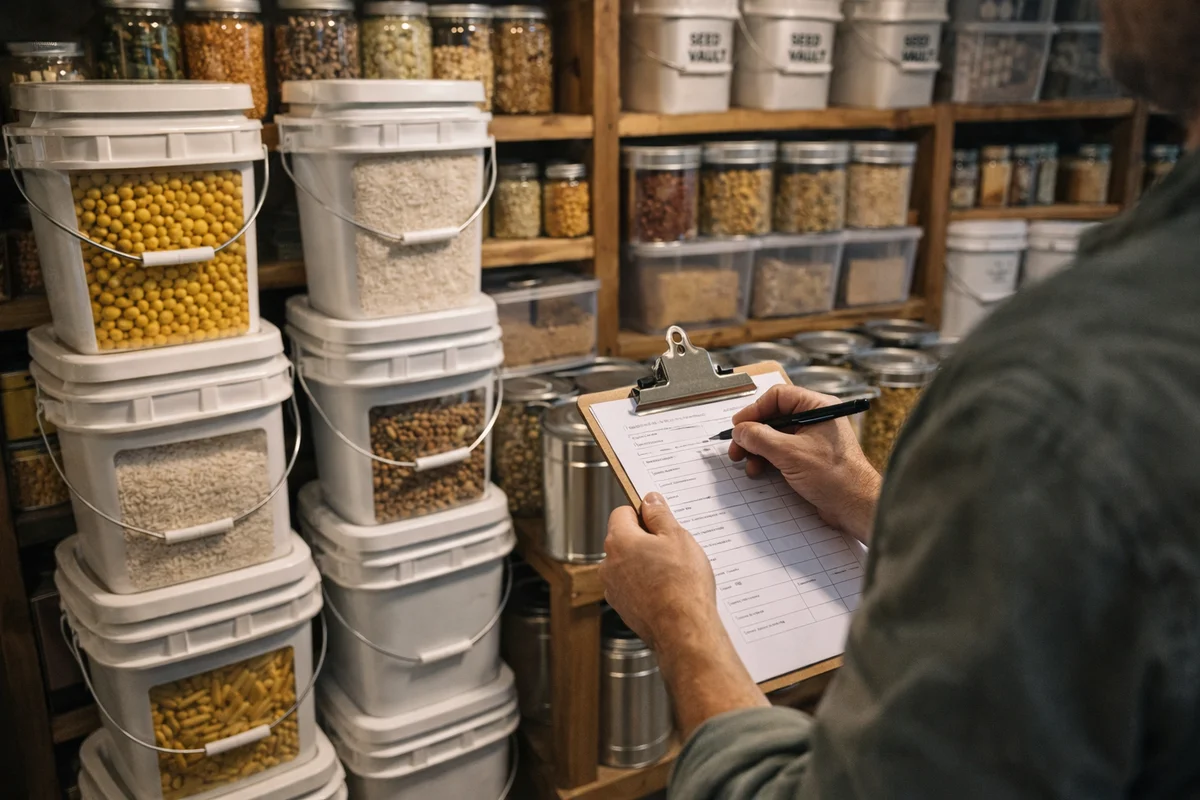
Maintenance Checklist
| Task | Frequency | What to check |
| Review active pantry | Monthly | Rotation, pests, leaks, meal use, and inventory accuracy |
| Inspect deep storage | Every 3–6 months | Packaging, shelf condition, room temperature, humidity, and rodent signs |
| Test older seed | Annually or before planting | Germination rate and seedling vigor |
| Audit preservation supplies | Before harvest season | Jars, lids, bags, absorbers, labels, fuel, and equipment condition |
| Clean bulk containers | At each empty-and-refill cycle | Residue, moisture, cracks, gasket condition, and pest evidence |
| Review emergency access | Seasonally | Water, cooking method, lighting, opening tools, and current food needs |
An inspection should lead to a decision. Replace a damaged bag, use a product while it is still good, address a humidity source, refresh a seed packet, or update the inventory. The calendar reminder matters less than completing the small corrective action while the problem is still contained.
Real-World Failure Points in Food Storage Systems
Most failures begin with ordinary conditions. A bag is pinched by a shelf bracket, a bucket sits on a damp floor, seed is packed before it fully dries, a label fades, or a household buys foods that never enter its cooking routine. These are manageable problems when the pantry is visible and regularly used.
Pests deserve direct prevention. Keep the room clean, repair gaps that allow rodents access, inspect for droppings and gnawing, and use rigid secondary containers where food needs physical protection. Use a layered barrier of packaging, containers, clean shelving, and routine inspection. A damaged package should be assessed promptly and discarded when contamination is suspected.
Water is equally destructive. Put storage above likely flood height, use shelves with strong legs or wall anchoring, install a leak alarm near plumbing risks, and keep critical seed and records away from the lowest point in the building. After any flood, fire, or chemical exposure, handle food conservatively and follow local public-health guidance.
Planning failures can be harder to see. A reserve heavy in sugar and starch may lack protein, fats, micronutrients, and food that fits medical needs. Food allergies, infant feeding, elder care, prescription diets, pets, and cultural preferences all change the proper reserve. Build the pantry from the people who will use it, then review it as the household changes.
Final Thoughts
The strongest long-term food plan is built through repeated use. Store food that becomes dinner, preserve harvest that would otherwise be lost, keep seed that has proved itself in the garden, and maintain the water, fuel, tools, and records that let each layer work. This approach creates a reserve with real capability, clear records, and food the household already understands.
Start small and make every layer dependable. A clean shelf of rotating staples, a well-kept seed file, a few tested preservation methods, and a dry storage room will outperform a large purchase that receives no attention. Over time, the pantry and garden become practical infrastructure for the household.
Set a modest first milestone: enough ordinary food, water, and cooking capacity for a period the household can manage comfortably. Once that level is stable, add one deeper food category, improve the storage room, expand the garden, or learn one preservation skill. Each completed improvement remains useful in daily life and strengthens the next layer of the system.
Review the plan after every growing season and major household change. New skills, better crop records, changing energy capacity, and a clearer picture of everyday consumption will keep the reserve aligned with real conditions. A pantry and seed library improve through steady maintenance, accurate notes, and food that is regularly prepared and shared.