
About OffGrid Atlas
OffGrid Atlas is a practical resource focused on the systems behind resilient off-grid living.
The site covers the core infrastructure required to live independently of centralized utilities, including power generation, energy storage, water filtration, shelter, and communication systems.
Rather than chasing trends or surface-level advice, OffGrid Atlas focuses on how these systems work, how they connect, and what holds up under real-world conditions.
The goal is simple:
to help readers make informed decisions when building or upgrading off-grid setups, whether for remote living, backup preparedness, or long-term resilience.
Content is written to be clear, practical, and focused on real-world use.
OffGrid Atlas is a reader-supported site. Some articles may contain affiliate links, which help support the work at no additional cost to the reader.
Our Authors
Robert Hall
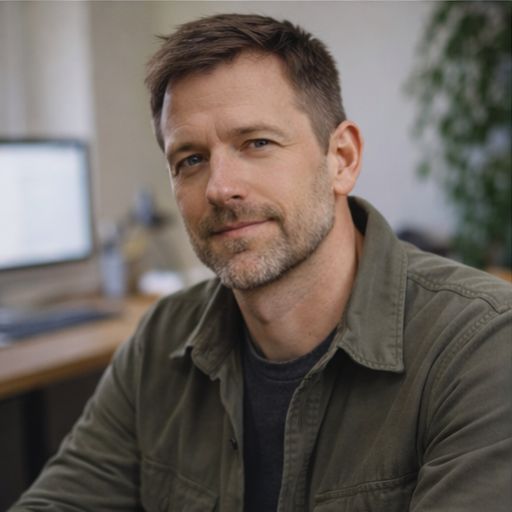
Robert Hall is an off-grid systems researcher and writer focused on practical, real-world energy solutions.
His work centers on portable power systems, solar generators, battery storage, and resilient off-grid infrastructure — with an emphasis on what actually works outside of lab conditions.
Rather than chasing specs or marketing claims, he focuses on how systems perform over time — under load, through weather shifts, and across real daily use.
At OffGrid Atlas, his goal is simple — to break down complex systems into clear, usable knowledge so readers can build reliable, independent setups with confidence.
Emily Turner

Emily Turner writes about off-grid living from a practical, everyday perspective — what it’s like to actually use these systems once they’re set up.
Her work focuses on the small details that matter over time managing limited power, keeping things simple, and figuring out what’s worth it and what isn’t.
At OffGrid Atlas, she focuses on how these systems actually fit into daily life — what’s easy to use, what becomes a hassle, and what ends up mattering most.
Jonas Fries
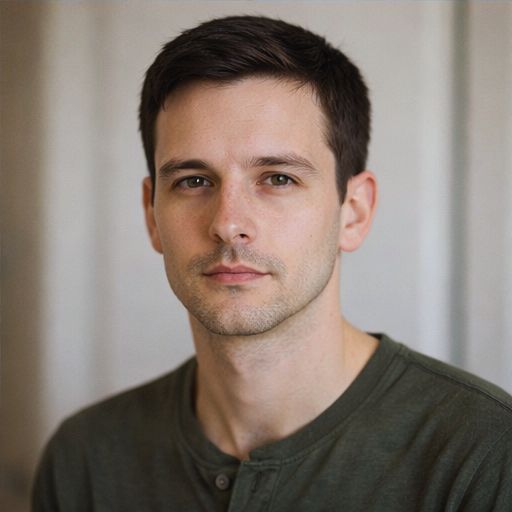
Jonas Freis writes about energy systems from a structural point of view — how they’re put together, how they scale, and where their limits tend to show up.
He looks at how components like battery capacity, inverter output, and solar input actually interact, and what that means in a complete setup.
His work focuses on making those systems easier to understand as a whole, without overcomplicating how they work.