The New Homesteader’s Dilemma: DIY, Delegate, or Drop Out?
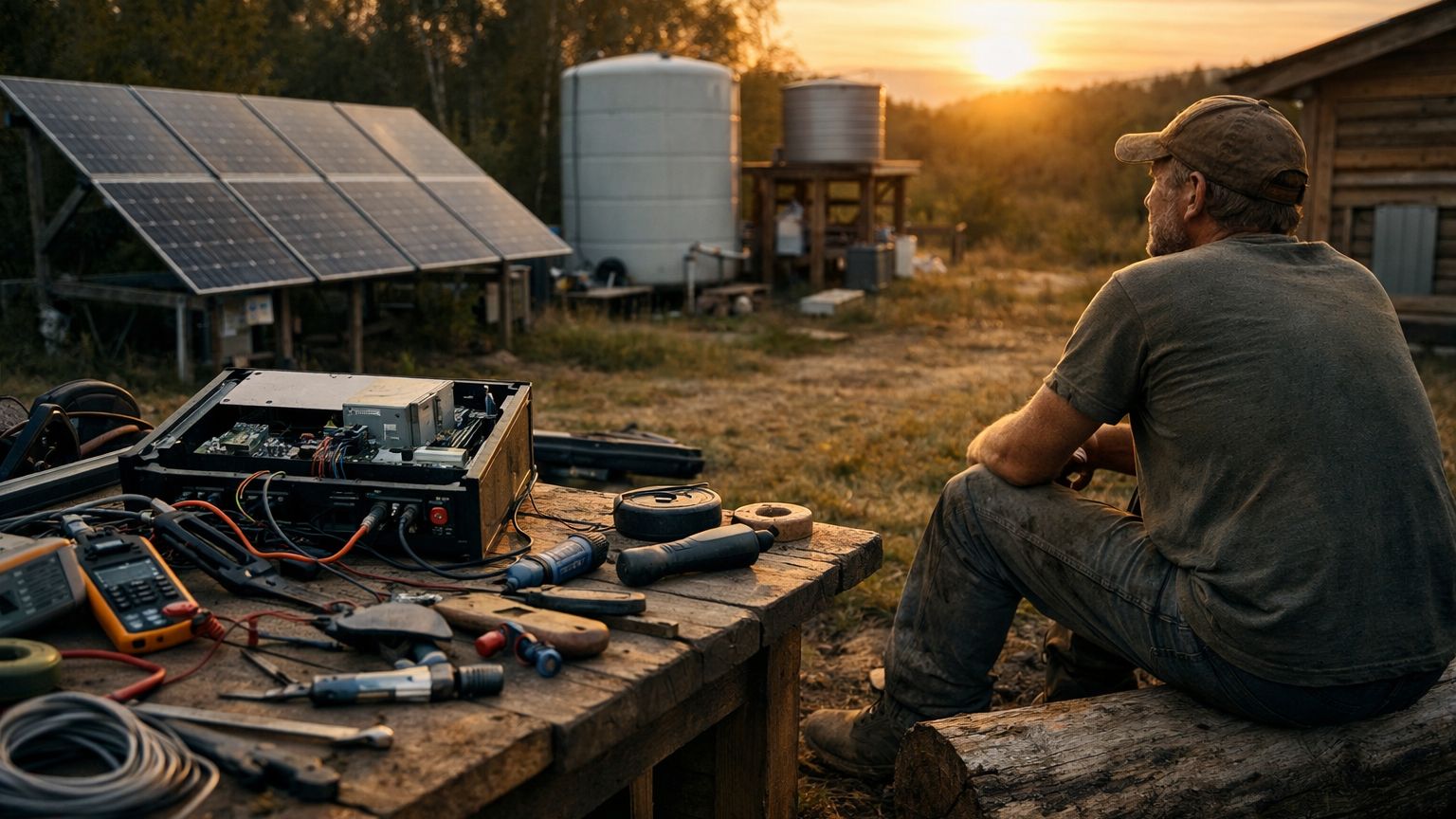
The dream of homesteading or living off-grid often begins with one word: independence.
You picture yourself building cabins, wiring solar systems, fixing pumps, tending gardens, all by your own hands.
But somewhere between the romantic vision and the daily grind, that independence starts to feel like isolation.
Every system breaks, every day fills up, and suddenly your “freedom” has become a 24-hour maintenance job.
This is the modern homesteader’s dilemma:
Do you keep doing everything yourself, bring in help, or simplify before burnout hits?
Let’s break it down before the dream turns into exhaustion.
The Modern Homesteader’s Trap
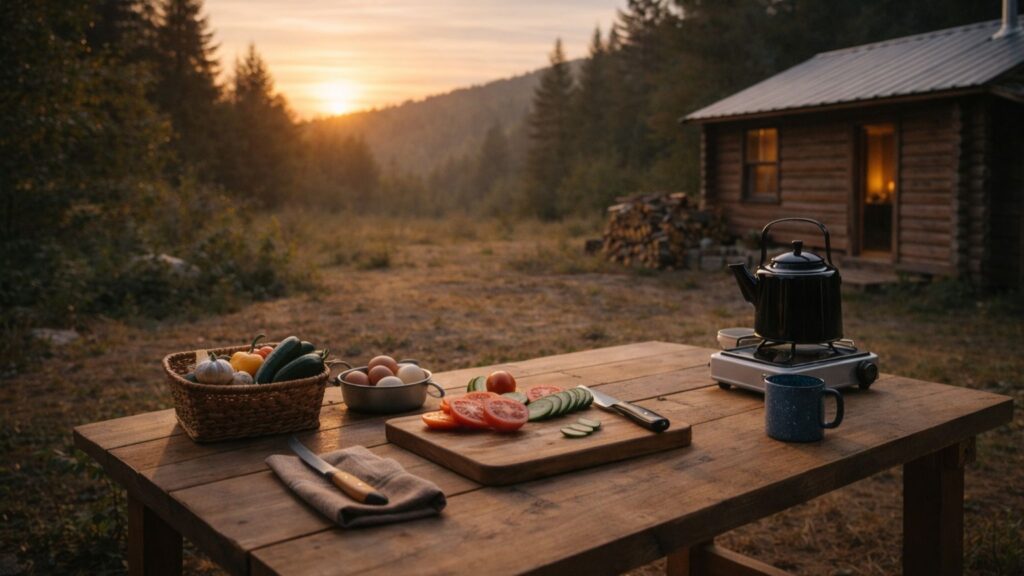
In the social-media version of off-grid life, everything looks effortless. You’ll see people milking goats at sunrise, welding frames by noon, and editing drone footage by night, all while somehow looking rested.
Reality? Most off-gridders are running on caffeine, duct tape, and diminishing morale.
The trap: equating self-sufficiency with solo sufficiency.
You start thinking, “If I can’t do it all myself, I’ve failed.” But in truth, total independence doesn’t exist. Nature, weather, and time all demand collaboration, with people, tools, or systems.
Off-grid living is a team sport disguised as a solo mission.
“Self-reliance isn’t about doing everything alone. It’s about knowing what you can trust outside yourself.”
The Hidden Cost of “Doing It All Yourself”
There’s a version of DIY that doesn’t show up in tutorials, YouTube builds, or Instagram reels. The version where everything takes longer than expected, costs more than planned, and quietly drains your mental bandwidth.
At first, doing everything yourself feels empowering. You’re learning fast, saving money, and building real-world capability. But over time, the hidden costs begin stacking up in ways most new homesteaders don’t anticipate.
The first cost is decision fatigue.
Every system requires constant micro-decisions: which wire gauge, which fitting, which pump size, which backup plan. When you’re responsible for every layer of your infrastructure, your brain never really shuts off. Even during downtime, you’re mentally tracking what might fail next.
The second cost is context switching.
One day you’re troubleshooting a solar charge controller. The next day you’re fixing a leaking line. Then you’re splitting wood. Then researching compost ratios. Each system demands a completely different skill set, and switching between them reduces efficiency across all of them.
The third cost is compounding delays.
When you’re learning as you go, simple jobs stretch into multi-day projects. That’s not a failure. It’s part of the process, but it becomes a problem when multiple systems depend on each other. A delayed water fix can impact irrigation. A delayed power upgrade can stall tools needed for another build.
The fourth cost is invisible burnout.
This one is the most dangerous because it doesn’t announce itself. It builds slowly. You stop enjoying the work. Tasks feel heavier. Small problems feel bigger. The system you built for freedom starts to feel like something you’re trapped maintaining.
And here’s the key insight: none of this means DIY is wrong.
It means DIY needs boundaries.
A sustainable homestead isn’t built by doing everything yourself. It’s built by choosing carefully what you do yourself and what you don’t.
That distinction is what separates long-term operators from short-term burnouts.
When DIY Becomes a Liability
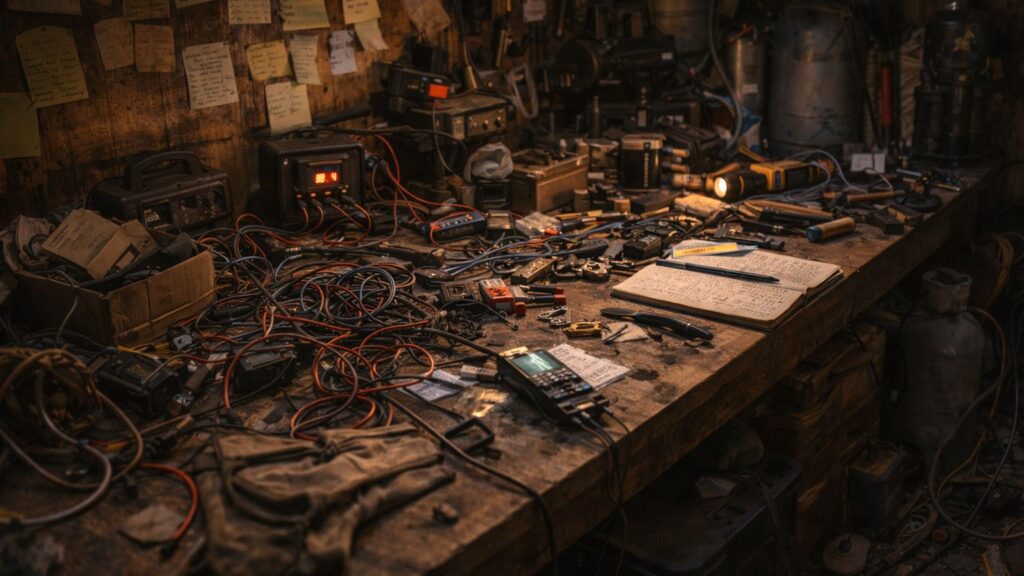
There’s pride in doing things yourself, but also danger.
Just because you can build something doesn’t mean you should.
DIY becomes a liability when:
- Safety is at stake (electrical, gas, structural).
- You spend more on mistakes than you would on a pro.
- Your time-to-task ratio is unsustainable.
- You’re too tired to enjoy the life you’re building.
Every homesteader hits a wall: the moment you realize you’ve spent three weekends troubleshooting a $100 inverter problem that a technician could’ve solved in one hour.
Skill-building is noble. But martyrdom isn’t mastery.
Learn, yes. But also learn when to let go.
How to Decide What to DIY vs Delegate (A Practical Framework)
Most homesteaders don’t struggle because they lack skill. They struggle because they lack a clear decision framework.
Without one, every project becomes a debate: “Should I try this myself?” That hesitation wastes time and often leads to poor decisions.
Instead, use a simple 4-filter system before starting any project.
1. Risk Level
Ask: what happens if I get this wrong?
- Low risk: garden beds, storage racks, non-critical structures
- Medium risk: plumbing, non-critical electrical, tool repairs
- High risk: main electrical systems, gas lines, structural framing
If the failure could cause injury, fire, or major system failure, that’s not a learning project. That’s a delegation candidate.
2. Reversibility
Ask: can I undo this easily?
Some mistakes are cheap and fixable. Others are buried behind walls, underground, or tied into core systems.
- Easy to reverse: surface builds, modular components
- Hard to reverse: buried lines, permanent wiring, structural elements
The less reversible the work, the higher the cost of DIY mistakes.
3. Frequency
Ask: will I need to do this again?
If it’s a one-time install, hiring a pro often makes more sense. If it’s a repeat task (like maintenance or seasonal work), learning it yourself pays off long-term.
4. Energy Cost
Ask: how drained will I be after doing this?
This is the filter most people ignore. Even if you can do something, it may not be worth the energy it consumes, especially if it pulls you away from higher-value or more enjoyable work.
When you run a project through all four filters, the decision becomes clear.
You’re no longer guessing. You’re engineering your workload.
Over time, this creates a system where:
- You handle what makes sense
- You delegate what doesn’t
- You protect your energy as a core resource
And that’s what actually makes a homestead sustainable.
The Case for Delegation (and Why It’s Not “Cheating”)
There’s a stubborn myth that paying for help off-grid undermines your independence.
In truth, delegating wisely can increase your resilience.
Delegation done right:
- Frees your focus for systems you actually enjoy.
- Builds local relationships with tradespeople who know your land.
- Teaches through observation. You learn by watching pros work.
- Prevents costly rework and safety hazards.
Rural electricians, plumbers, and well drillers aren’t enemies of the off-grid dream. They’re its protectors.
If a one-time consultation saves you hundreds of hours or a potential fire, that’s not cheating. That’s strategic sovereignty.
The smartest homesteaders build networks, not cages.
Smart Systems vs Hard Systems
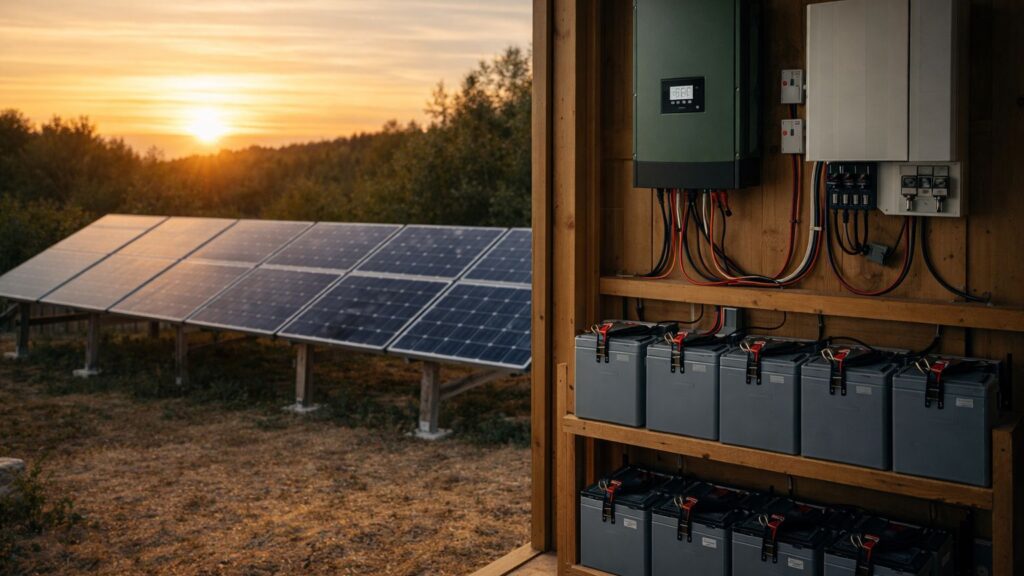
off-grid living into something sustainable.
Old-school off-gridders take pride in muscle-powered everything: hand pumps, manual valves, wood stoves.
But modern resilience means blending grit with innovation.
Smart systems lighten the load:
- Hybrid inverters manage charging automatically.
- Auto-start generators kick in before batteries drop too low.
- Smart irrigation systems sense soil moisture.
- Water-level sensors prevent overflows or pump burnout.
The key is balance. Enough automation to preserve your sanity, not enough to create dependency.
If a $30 sensor prevents $300 in damage or a week of labor, that’s not “tech dependence.” It’s intelligent design.
Work smarter, rest deeper.
Designing Systems That Don’t Require You Every Day
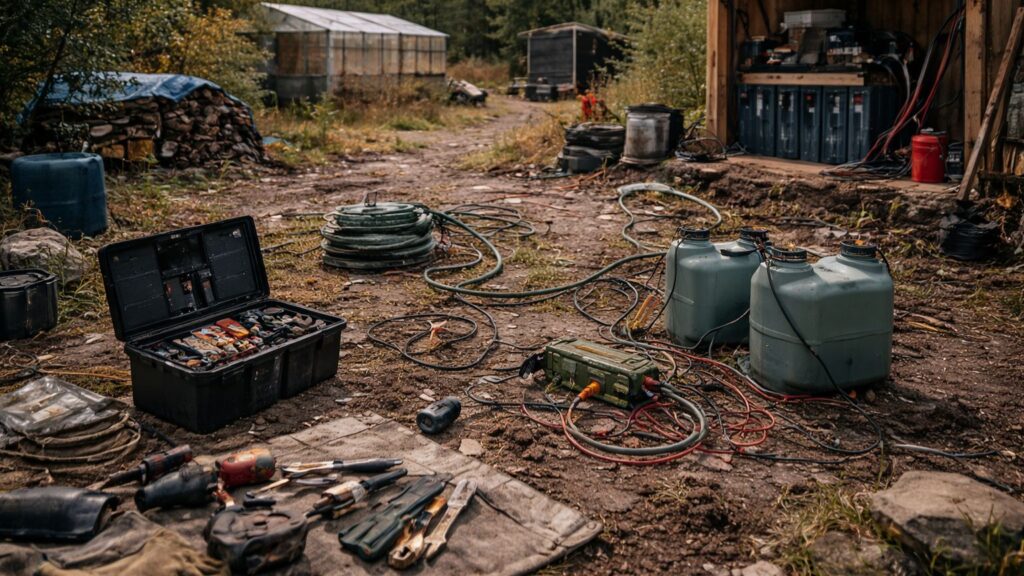
One of the biggest mistakes new homesteaders make is building systems that only work when they’re constantly involved.
Daily adjustments. Manual checks. Frequent resets.
At first, this feels like control. Over time, it becomes a liability.
A resilient system should meet one simple standard:
It should continue operating even when you step away.
This doesn’t mean full automation. It means thoughtful design.
Start with fail-safe behavior.
If something goes wrong, does the system shut down safely, or does it cascade into a bigger failure?
Examples:
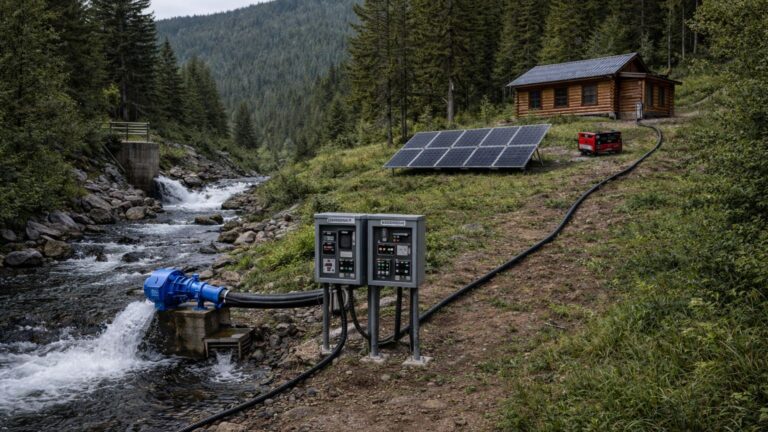
- A water system that stops pumping instead of burning out
- A battery system that disconnects instead of over-discharging
- A heating system that defaults to safe mode instead of overheating
Next is buffer capacity.
Systems that operate at 90–100% capacity are fragile. Any disruption pushes them into failure.
Build margin into everything:
- Extra battery storage
- Oversized water tanks
- Additional solar capacity
- Backup heat sources
Margin is stability.
Then look at maintenance frequency.
If a system needs daily attention, it’s not finished. It’s incomplete.
Aim for:
- Weekly checks instead of daily
- Seasonal maintenance instead of constant tuning
- Passive operation wherever possible
Finally, design for visibility.
You should be able to understand system status quickly without digging into complexity.
Simple indicators, voltage readings, tank levels, flow rates — reduce mental load and help you catch issues early.
The goal isn’t to eliminate work.
It’s to eliminate unnecessary involvement.
Because the best systems don’t demand your attention.
They earn your trust.
Simplification as a Survival Strategy
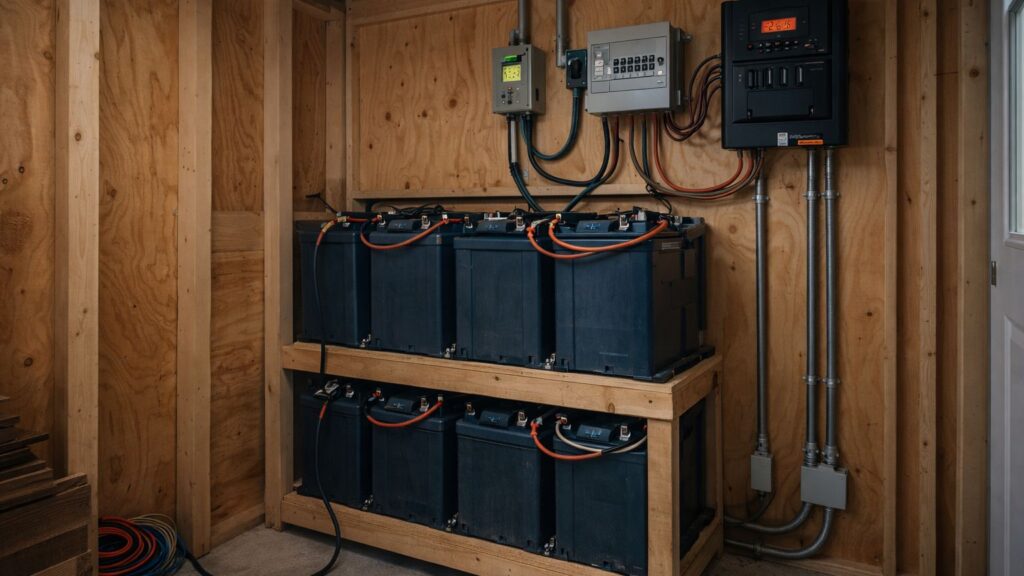
Not every system needs optimizing. Some just need shrinking.
You don’t need six species of livestock, a 40-panel solar array, and a wood-fired everything. Sometimes the real upgrade is less.
Simplify like this:
- Drop redundancy that doesn’t serve a real purpose.
- Replace two tools with one reliable one.
- Redesign your setup for lazy operation: minimal moving parts, no daily adjustments.
- Build systems that can fail gracefully, not catastrophically.
Every new gadget adds a new point of failure. Every simplification adds a breath of life.
You can’t thrive if you’re maintaining more than you’re enjoying.
The Psychological Side — Pride, Control, and the Fear of Failure
No one admits it, but ego drives a lot of burnout.
We equate competence with control. “If I can just do it all, I’ll be safe.”
But control is an illusion. Systems will break, animals will die, weather will win.
The hardest skill is surrender.
Calling for help doesn’t make you weak. Admitting exhaustion doesn’t mean you failed the mission. It means you’re human enough to build something sustainable.
Perfectionism kills more dreams than bad wiring ever will.
Cost vs Energy vs Time — The Real Resource Triangle
Every decision on the homestead costs one of three things:
money, time, or energy.
You can’t have all three.
You can only trade between them.
When you’re young or learning, you trade time for money.
When you’re older or managing multiple systems, you trade money for time.
Ask yourself before every project:
“If I wouldn’t do this twice, should I even do it once?”
That question saves more burnout than any budget spreadsheet.
Lessons from Field-Tested Homesteaders
Talk to anyone who’s made it 10+ years off-grid, and you’ll hear the same confessions:
- “I overbuilt at first.”
- “I should’ve hired help for the electrical.”
- “I wish I’d taken one day off per week.”
- “Simplify earlier than you think.”
The pattern is universal: overwork → burnout → reevaluation → balance.
The veterans all come back to the same principle: slow systems last longer than fast people.
Build systems for your future self, not your current ambition.
How to Build a Balanced Homestead Workflow
Balance isn’t found. It’s engineered.
Try this 3-tier task map:
- DIY Tasks: Regular, low-risk jobs (gardening, woodcutting, water checks).
- Delegate Tasks: High-skill or safety-critical (electrical, gas, structure).
- Inspect Tasks: Outsourced jobs you still monitor (solar maintenance, well pumps).
Then apply a weekly rhythm:
- One rest day, no exceptions.
- One planning day for the week ahead.
- One project day for “system upgrades.”
The rest? Routine. Predictable. Manageable.
That’s how long-term homesteads thrive.
Knowing When to Drop Out (or Scale Down)
Sometimes the bravest decision is less.
Stepping back isn’t always quitting. It’s optimizing your humanity.
Scaling down might mean selling livestock, downsizing the garden, or converting a high-maintenance system into passive function.
Freedom doesn’t come from more work. It comes from fewer obligations.
The True Definition of “Off-Grid Success”
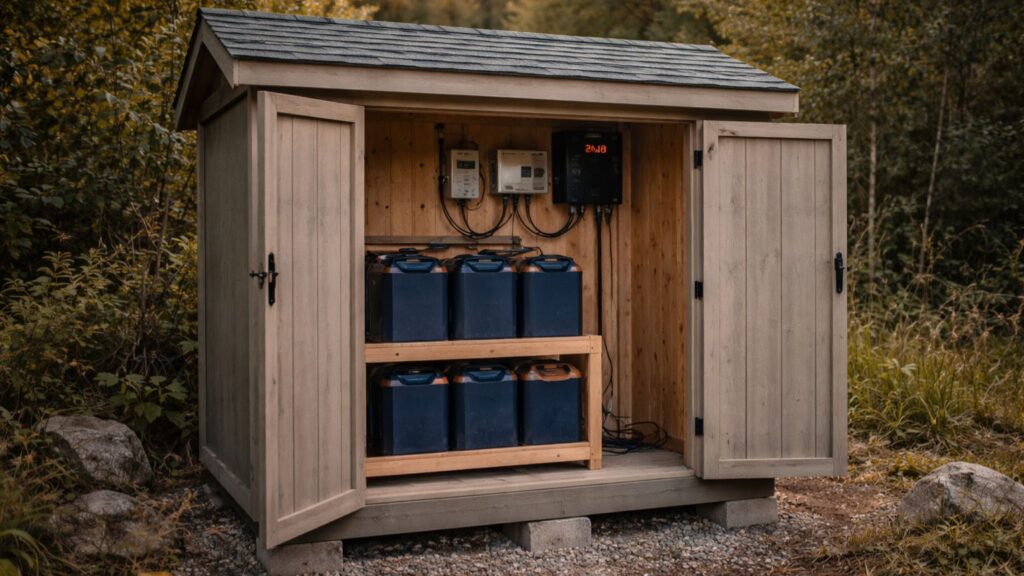
True off-grid success isn’t about how much you can do.
It’s about how peacefully your systems and your soul operate when you’re doing nothing at all.
A balanced homesteader doesn’t chase every fire, fix every screw, or live chained to projects.
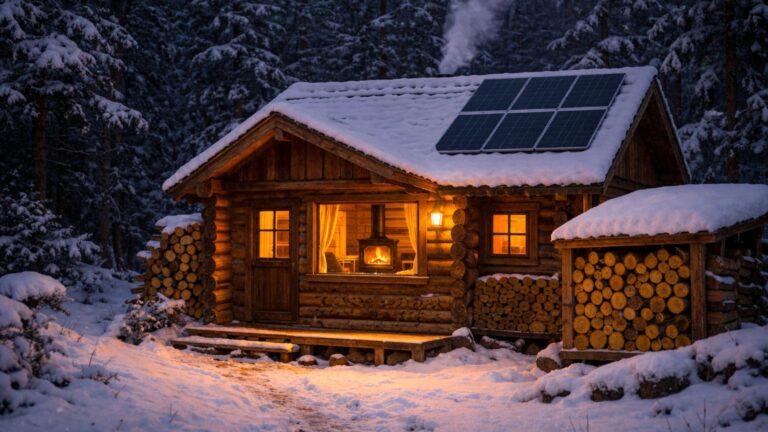
They walk outside, see the solar charge humming, the tank level steady, the woodpile stacked, and they smile.
Because everything works. And so do they.
That’s the real measure of independence: not exhaustion, but equilibrium.