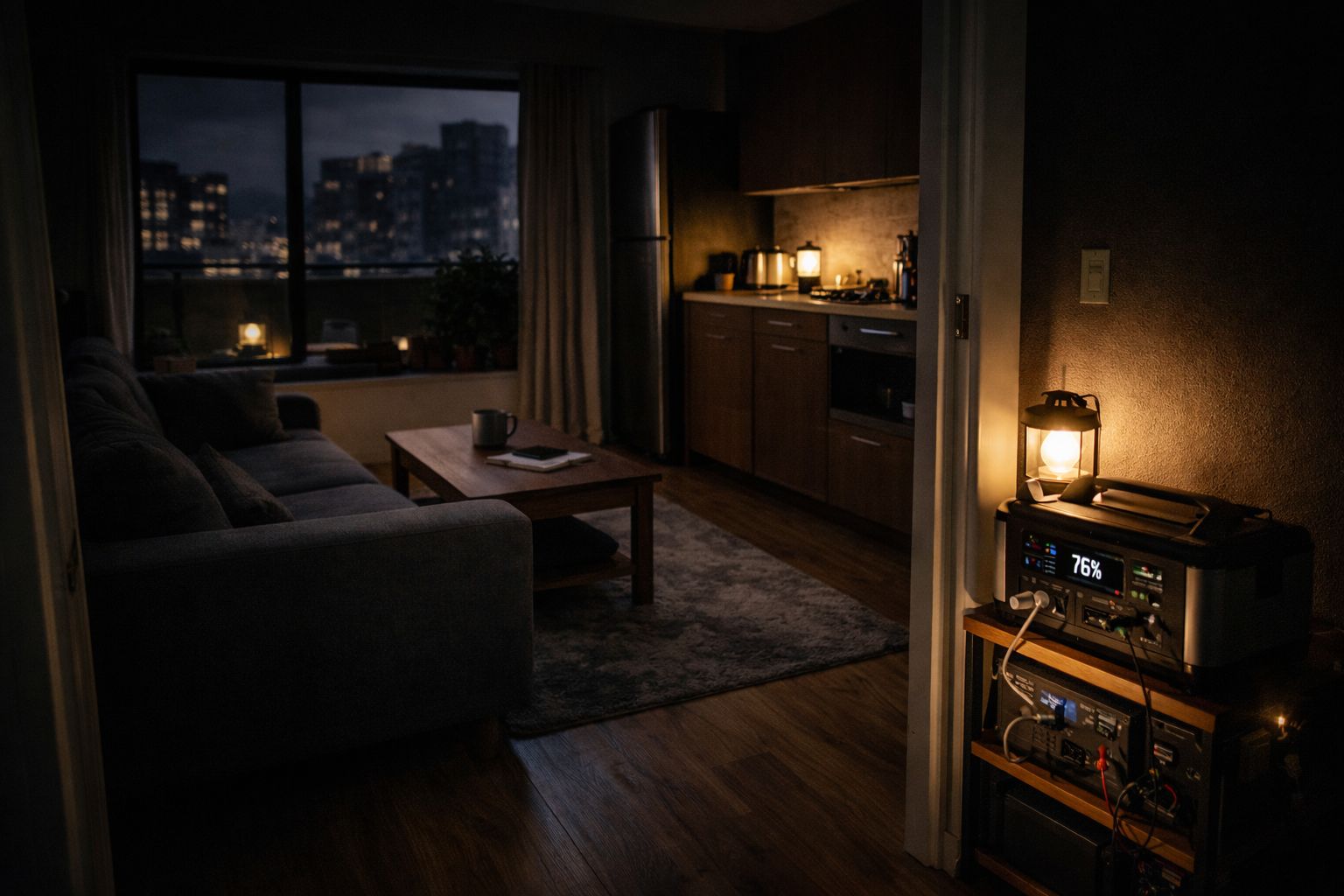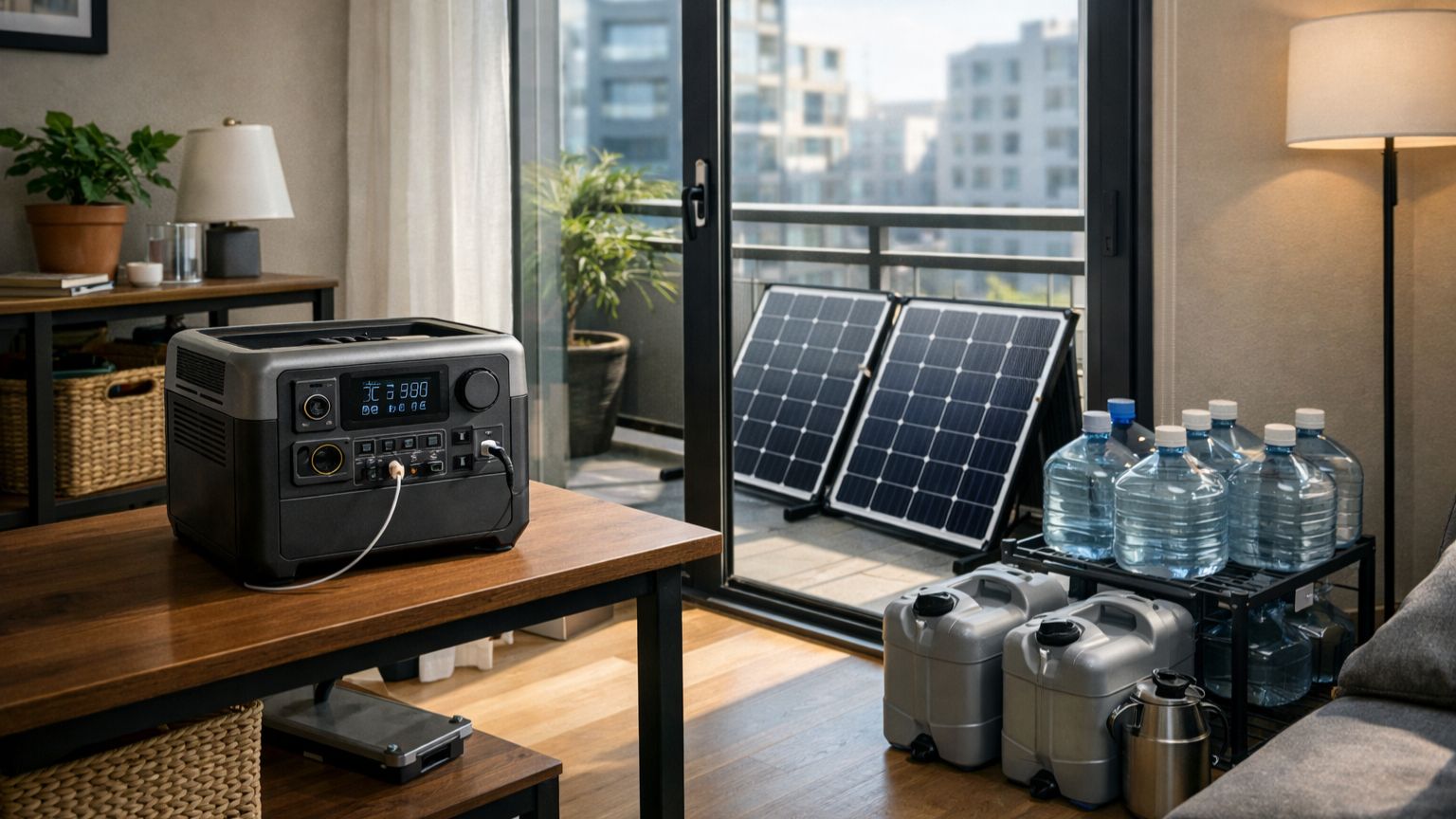
The Off-Grid Mindset in Urban Environments
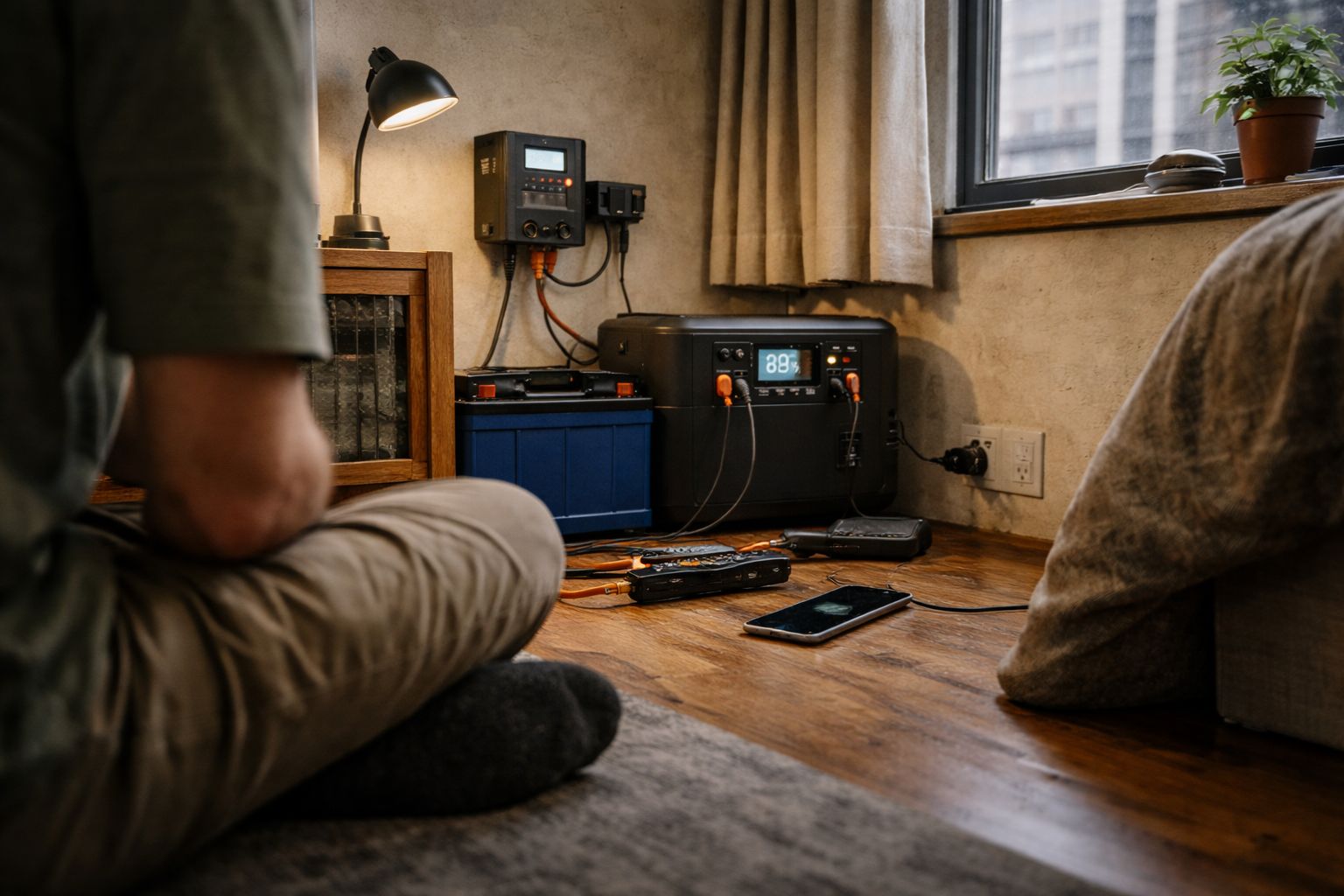
Building an off-grid system involves more than choosing equipment.
It changes the way you think about the resources you use every day and the role they play in your routine.
In urban environments, that shift is especially important. You’re working within existing infrastructure, limited space, building regulations, and practical constraints. Success comes from understanding those limitations and designing a system that works with them instead of expecting them to disappear.
The off-grid mindset develops through understanding how your essential systems operate, where they are vulnerable, and how small changes can improve their reliability.
The First Mental Shift Most People Experience
The first challenge is rarely technical.
Most people have spent years living with services that are available whenever they are needed. Electricity, water, heating, refrigeration, and communication all operate quietly in the background without requiring much thought.
Building even a small off-grid system changes that relationship.
As you build your own system, you naturally begin paying attention to how much energy you have, how quickly you use it, and when it makes sense to recharge or conserve it.
At first, this additional awareness can feel unfamiliar because it introduces decisions that never existed before. You begin taking an active role in managing systems that were previously handled entirely by public infrastructure.
Over time, those decisions become routine.
You learn how long your battery normally lasts. You recognize your highest power demands without constantly checking a display. You understand which equipment is worth running and which can wait until conditions improve.
That experience gradually replaces uncertainty with familiarity.
The system becomes easier to manage because you’ve spent time using it under real conditions instead of relying entirely on specifications or assumptions.
Why This Feels Different
Modern infrastructure removes countless small decisions from everyday life.
An off-grid system asks you to make some of those decisions yourself.
For people who are new to self-reliance, this can feel like additional effort at first. In reality, you’re simply becoming more aware of systems that previously operated without your involvement.
The adjustment period is temporary. Familiarity grows with regular use, and the system gradually becomes part of your normal routine.
What Changes Over Time
As your experience grows, your attention shifts away from monitoring the system and toward simply using it.
You develop a practical understanding of its capabilities, recognize its normal operating patterns, and become comfortable with its limitations.
Routine tasks become second nature, and decisions that once required careful thought become automatic.
That confidence is built through experience rather than guesswork.
The Result
The biggest change is not the equipment itself.
It is the confidence that comes from understanding how your own systems perform and knowing how to respond when conditions change.
Moving from Convenience to Awareness
Modern urban life is designed around convenience.
Power is available whenever you need it. Water flows on demand. Heating, cooling, and communication all operate with very little attention from the people using them.
Building an off-grid system encourages a different perspective.
You become more aware of how much energy you consume, where your resources come from, and how everyday systems behave when normal infrastructure is interrupted.
That awareness isn’t about making life more complicated.
It provides a better understanding of how your system performs, making it easier to identify improvements, recognize limitations, and make informed decisions as your setup evolves.
Control Instead of Dependence
Most urban off-grid systems are not built to replace public infrastructure completely.
They are built to reduce how heavily you rely on it.
Every independent capability you add, whether it’s battery storage, backup lighting, portable solar charging, or stored water, gives you another option when normal services become unavailable.
Even relatively small systems can keep communication, lighting, and essential devices operating during an outage while providing valuable time to respond calmly instead of reacting under pressure.
The objective is not complete independence from the grid.
It is building enough capability to remain functional when the grid is temporarily unavailable.
Thinking in Systems, Not Products
One of the biggest mindset shifts is learning to see equipment as part of a larger system rather than as individual purchases.
A battery is only one component. Its usefulness depends on how it is charged, how quickly energy is consumed, how much storage is available, and what level of redundancy has been built into the overall design.
The same applies to every major component. Solar panels, power stations, lighting, water storage, and communication equipment all influence one another. Looking at them individually often leads to unnecessary purchases or systems that perform well on paper but fall short in everyday use.
Thinking in systems encourages better decisions because every addition is evaluated by how it contributes to the overall setup and supports the system as a whole.
Working With Constraints Instead of Fighting Them
Every urban off-grid system is shaped by practical limitations.
Available space, building regulations, shared infrastructure, and access to sunlight all influence what can realistically be installed and maintained.
Successful urban systems are designed around these practical limitations from the beginning, allowing each component to fit naturally within the available space and conditions.
Portable equipment, modular battery storage, compact charging solutions, and efficient appliances often provide greater long-term value than larger installations that are difficult to accommodate or maintain.
Designing around real-world conditions usually produces systems that are easier to expand, easier to manage, and better suited to everyday urban living.
The Tradeoff Between Awareness and Effort

Building your own systems naturally increases your level of involvement.
As you become responsible for your own systems, you naturally begin paying closer attention to battery levels, charging opportunities, equipment condition, and overall system performance.
During the early stages, this can feel like additional work because every decision is new.
As experience grows, however, the amount of effort required begins to decrease. Familiar routines replace constant monitoring, and your understanding of the system develops naturally through regular use.
Avoiding Unnecessary Complexity
One mistake many beginners make is trying to measure everything.
Battery cycles, charging efficiency, appliance usage, and countless other details can all be useful, but tracking every variable often creates unnecessary complexity.
Most urban systems benefit more from practical observation than constant measurement.
Knowing your typical battery runtime, understanding your daily energy use, and recognizing your normal operating patterns are usually enough to make informed decisions.
Finding a Sustainable Balance
The goal is not to monitor every detail indefinitely.
It is to develop a practical understanding of how your system performs under normal conditions and during occasional disruptions.
Once those patterns become familiar, managing the system requires far less attention while still providing the confidence that comes from knowing how it will perform when needed.
How Daily Habits Quietly Shape System Performance
Equipment is only part of the equation.
The way a system is used each day has a significant influence on how well it performs over time.
Simple habits often produce noticeable improvements without adding new equipment. Charging batteries before they become critically low, spreading higher-demand tasks throughout the day, and taking advantage of available solar production all help improve overall system performance.
Organization plays an important role as well. Clearly labeled cables, accessible equipment, and a dedicated storage area reduce friction during both everyday use and unexpected outages. When equipment is easy to find and simple to use, regular maintenance becomes much more likely.
Small habits also prevent minor issues from becoming larger problems. Batteries remain charged, backup lighting stays available, and essential equipment is ready when it is needed rather than requiring attention during an emergency.
None of these improvements are dramatic on their own.
Together, they create a system that feels more reliable, requires less effort to manage, and performs more consistently over the long term.
Efficiency Becomes a Priority

Managing your own power naturally changes the way you think about efficiency.
Every device, every charging decision, and every upgrade has a measurable impact on how long your system can operate before it needs additional energy.
That doesn’t mean every watt must be tracked or every appliance questioned. Instead, you begin recognizing where small improvements produce meaningful results.
Replacing inefficient lighting, choosing lower-power devices, or adjusting when certain equipment is used can noticeably extend battery runtime without changing your daily routine.
Over time, efficiency becomes less about reducing consumption and more about getting the most from the resources already available.
Redundancy and Reliability
One characteristic shared by many urban homes is a reliance on single systems.
When utility power is interrupted, everything connected to it is affected at the same time.
An off-grid mindset gradually introduces alternatives.
Backup lighting, battery-powered communications, portable cooking equipment, and multiple charging options reduce the impact of losing any single service.
Redundancy doesn’t require duplicate versions of everything you own. It simply means having another practical way to meet essential needs when your primary system becomes unavailable.
Even modest backup capabilities can make a significant difference during short disruptions because they provide time to respond without unnecessary pressure.
Testing Over Assumption
Every system performs differently once it is used under real conditions.
Manufacturer specifications provide a useful starting point, but they cannot account for individual usage patterns, weather conditions, or the way different devices interact within a complete setup.
Regular testing fills that gap.
Running your equipment during a planned exercise or using battery power for part of a normal day provides valuable insight into battery runtime, charging performance, and overall system behavior.
These experiences often reveal small improvements that would be difficult to identify through planning alone.
Testing also builds familiarity. By the time an unexpected outage occurs, you’ve already seen how the system behaves and know what to expect.
Accepting Practical Tradeoffs
Every off-grid system involves compromise.
Urban environments place limits on available space, battery capacity, solar production, and installation options. Those limitations influence every design decision, regardless of budget.
Understanding those tradeoffs makes it easier to build a system that performs reliably within its intended role.
A compact apartment setup will never provide the same capabilities as a large rural installation, but it doesn’t need to. Its purpose is different, and its design should reflect that.
Evaluating a system against its intended use leads to better decisions than comparing it with installations built for completely different environments.
Avoiding Extremes
Many people approach off-grid living as though there are only two possible outcomes: complete dependence on public infrastructure or complete independence from it.
In practice, most urban systems fall somewhere between those two points.
A thoughtfully designed setup can provide reliable backup power, greater resilience, and increased self-sufficiency without requiring a complete lifestyle change.
Building gradually also makes future improvements easier. Each upgrade is based on practical experience rather than assumptions, allowing the system to develop naturally as needs change.
How Small Improvements Build Long-Term Confidence
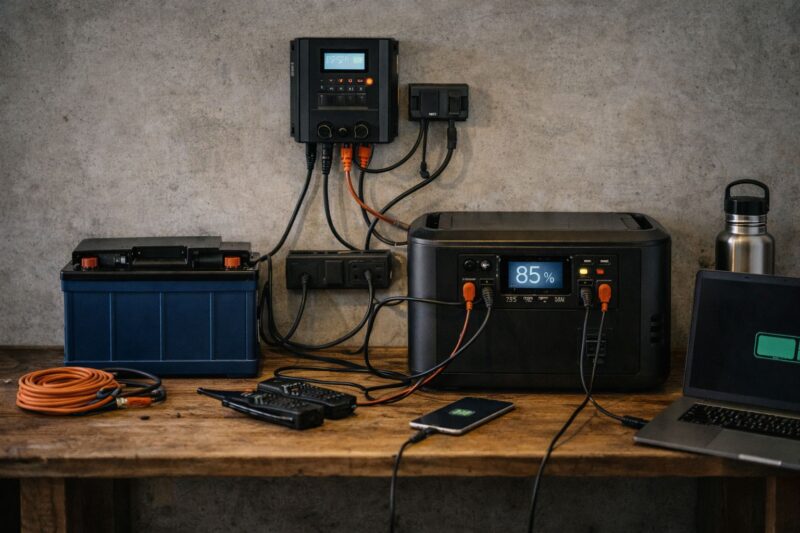
Confidence rarely comes from building a large system all at once.
It develops through regular use and a series of small improvements.
The first successful power outage, the first time your backup lighting performs exactly as expected, or the first upgrade that noticeably extends battery runtime all contribute to a better understanding of how the system works.
Just as valuable are the moments when something doesn’t perform as expected.
Perhaps your battery lasts less time than anticipated, your storage layout needs improvement, or a piece of equipment proves less useful than expected. These experiences are not setbacks. They provide practical information that guides future upgrades and helps refine the system over time.
Each adjustment makes the setup more reliable because it is based on direct experience rather than assumptions. That gradual process is how confidence develops. It comes from knowing how the system performs because you’ve already used it under real conditions.
Learning Through Regular Use
Every hour spent using your system teaches something that specifications and reviews cannot.
You begin to understand which equipment you rely on most often, how long your batteries typically last, and which upgrades would provide the greatest practical benefit.
These observations naturally influence future decisions. Upgrades are guided by situations you’ve already encountered, making each addition more practical and better suited to your actual needs.
This approach keeps the system focused, reduces unnecessary spending, and helps every upgrade contribute to a more capable overall setup.
What This Looks Like in Everyday Life

For most people, the off-grid mindset becomes part of an ordinary routine rather than a separate hobby.
Devices are charged when opportunities arise. Batteries remain ready for unexpected outages. Equipment stays organized and accessible. Backup systems are checked periodically instead of only during emergencies.
Once these habits become familiar, they become part of normal system maintenance, helping keep equipment organized, ready for use, and dependable during unexpected outages.
Staying Practical
Successful urban systems are usually the simplest ones to live with.
Equipment should fit comfortably within the available space, remain easy to access, and require only modest maintenance to stay ready for use.
Adding unnecessary complexity often makes a system harder to maintain without providing meaningful improvements in day-to-day performance.
Consistently making practical decisions produces systems that are easier to operate, easier to expand, and more dependable over the long term.
The Role of Safety and Responsibility
Greater independence also brings greater responsibility.
Battery systems, charging equipment, backup cooking methods, and other off-grid components should always be used according to manufacturer guidance and within applicable building regulations.
Safe cable management, proper battery storage, adequate ventilation where required, and routine equipment inspections all contribute to reliable long-term operation.
Well-maintained systems are not only safer to use, they are also more predictable when they are called upon during an outage.
The Point Where It Stops Feeling Like Effort

Every new off-grid system comes with a learning curve.
During the first few weeks, it’s common to check battery levels frequently, think carefully about charging decisions, and pay close attention to how different devices affect overall power consumption.
As those experiences accumulate, the amount of conscious effort gradually decreases.
You develop a clear understanding of your normal energy use, recognize how the system behaves under different conditions, and become familiar with its capabilities without constantly monitoring every detail.
Troubleshooting becomes more straightforward as well. Small issues are easier to recognize because you’ve already seen how the system performs during normal operation. Instead of reacting to unexpected behaviour, you have a practical understanding of where to begin looking for the cause.
Another noticeable change is that optimization becomes more selective. Over time, attention naturally shifts toward the improvements that have the greatest impact on reliability and everyday use, while smaller optimizations become less important.
The system gradually becomes another part of your home. Routine use replaces constant attention, and managing it becomes part of everyday life.
The Long-Term Shift
Over time, the off-grid mindset extends beyond individual pieces of equipment.
You begin thinking more carefully about reliability, resource use, maintenance, and long-term planning across multiple aspects of daily life.
That perspective often influences future purchasing decisions, home organization, and the way new systems are designed. Experience encourages practical solutions that are easy to maintain and capable of adapting as circumstances change.
Final Thoughts: Building a System That Works for You
The off-grid mindset is not defined by complete independence or by the amount of equipment you own.
It develops through understanding how your systems operate, maintaining them consistently, and improving them through practical experience.
In an urban environment, the most effective systems are those that fit comfortably within the available space, remain easy to manage, and provide dependable support when normal infrastructure becomes unavailable.
Building that kind of system takes time. Each improvement strengthens the foundation, making the overall system more capable, more reliable, and better suited to your everyday needs.