What Most People Get Wrong About Off-Grid Living

Off-grid living is often presented as a complete lifestyle with clearly defined solutions.
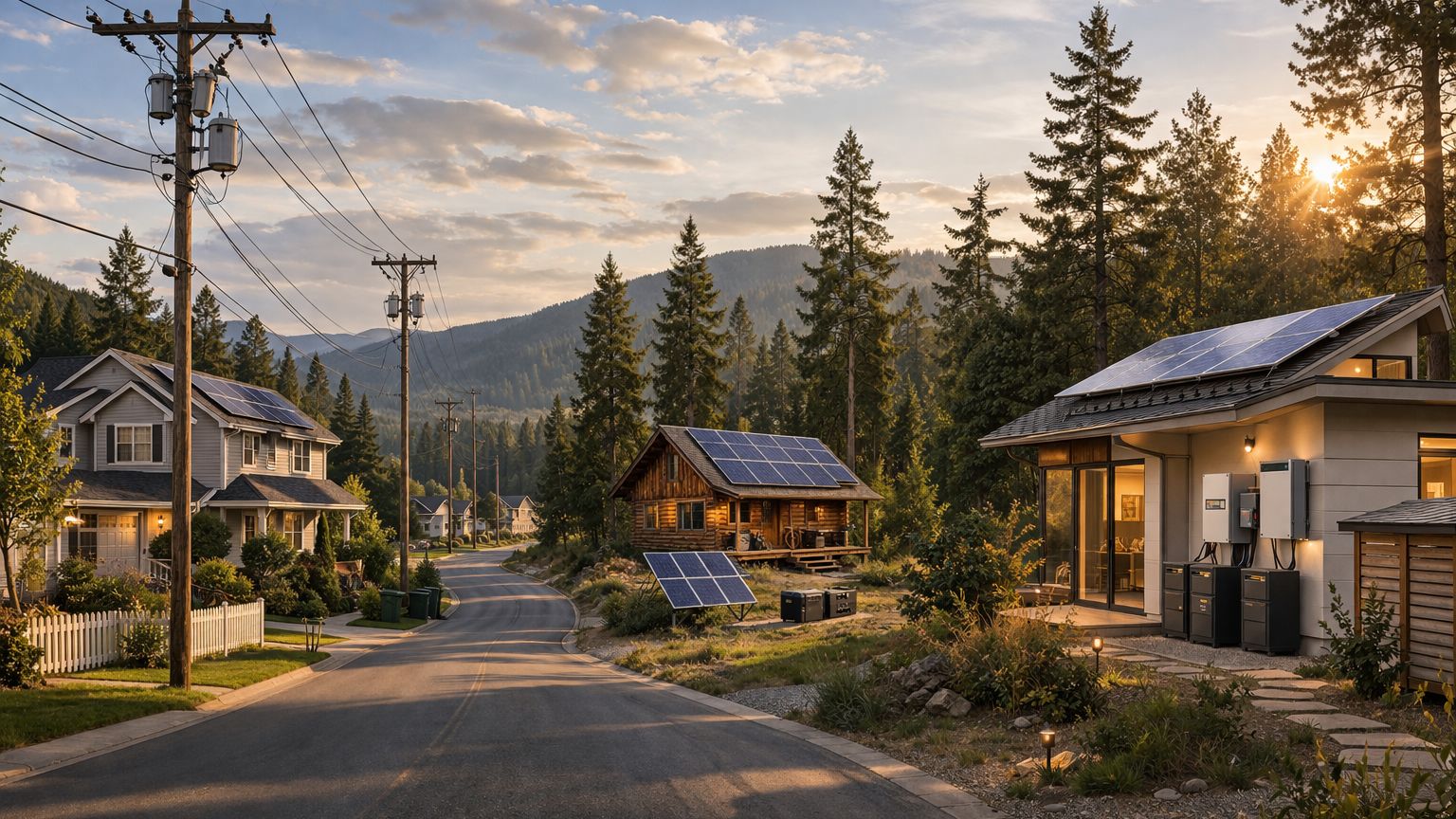
In practice, every system is shaped by its environment, the resources available, and the priorities of the person building it.
Urban apartments, suburban homes, remote cabins, and full homesteads all require different approaches. Equipment that works well in one setting may be impractical in another, even if the goals appear similar.
Many of the frustrations people experience with off-grid systems are not caused by faulty equipment. They develop because expectations, planning, and system design do not match the realities of everyday use.
Understanding the most common mistakes before buying equipment makes every later decision easier. It helps you invest in components that solve real problems, build practical systems, and expand with confidence as your experience grows.
Mistake 1: Trying to Power Everything
A common mistake is treating an off-grid system as though it must immediately replace every function normally provided by the utility grid.
That expectation quickly increases cost, complexity, and power requirements long before there is enough experience to justify them.

Successful systems usually begin with essential needs.
Focus on:
- Essential devices
- Core daily functions
- Critical systems during outages
Once those priorities are covered, future upgrades become much easier to plan because they are guided by real-world use instead of assumptions.
What Happens When You Skip the Learning Phase
Every off-grid system has a learning curve.
The equipment, your daily habits, and your environment all influence how the system performs. Those lessons are difficult to predict until the equipment has been used under normal conditions.
Some people try to compress that entire learning process into a single purchase. They buy every major component at once and expect the finished system to perform exactly as planned from the first day.
The equipment may perform exactly as intended, while the experience needed to manage it develops gradually through regular use.
Why Experience Matters
Building in stages creates opportunities to understand how the system behaves before additional layers are added.
You learn:
- How your devices behave over time
- What your daily energy use actually looks like
- Which parts of the system deserve the most attention
That knowledge becomes the foundation for every future upgrade.
What This Looks Like in Practice
Unexpected battery runtime.
Lower solar production during certain seasons.
Appliances that draw more power than expected.
None of these situations are unusual.
They simply become easier to understand after spending time with the system.
Building With Experience
Each stage provides information that improves the next.
Small adjustments become easier to make, upgrades become more deliberate, and the entire system develops in response to real conditions instead of estimated ones.
Mistake 2: Overbuilding Too Early
Larger systems are often assumed to provide better long-term value.
Additional battery capacity, larger solar arrays, and higher-output equipment certainly increase capability, but they also increase cost, space requirements, and the amount of equipment that must be understood and maintained.
For someone building a first system, that additional complexity rarely provides immediate benefits.
Starting with a modest setup creates opportunities to observe how the system performs during everyday use before deciding where additional capacity is actually needed.
This approach makes future upgrades more deliberate by grounding each decision in real-world experience and observed system performance.
Why Most Mistakes Begin With Unrealistic Expectations
Many frustrations can be traced back to expectations that don’t match the role the system was designed to perform.
Someone may build a system intended to keep essential devices running during an outage, then expect it to support high-demand appliances for extended periods. Another person may estimate battery runtime without understanding how different loads affect overall consumption.
When those expectations aren’t met, the equipment often receives the blame even though it is operating within its intended limits.
Understanding the purpose and capability of a system before using it makes these situations much easier to avoid.
A setup designed for lighting, communication, and basic electronics should be evaluated against those goals. If additional appliances become part of the plan later, the system can grow to support them.
Matching expectations with capability also improves upgrade decisions.
Instead of assuming more batteries or larger solar panels are always the answer, it becomes easier to identify whether the limitation comes from storage capacity, energy consumption, charging habits, or the way the system is being used.
Clear expectations make troubleshooting simpler, reduce unnecessary spending, and help the system perform consistently over the long term.
Mistake 3: Ignoring Real-World Constraints
Many examples of off-grid living come from rural properties where space, sunlight, and installation options are far less restrictive.
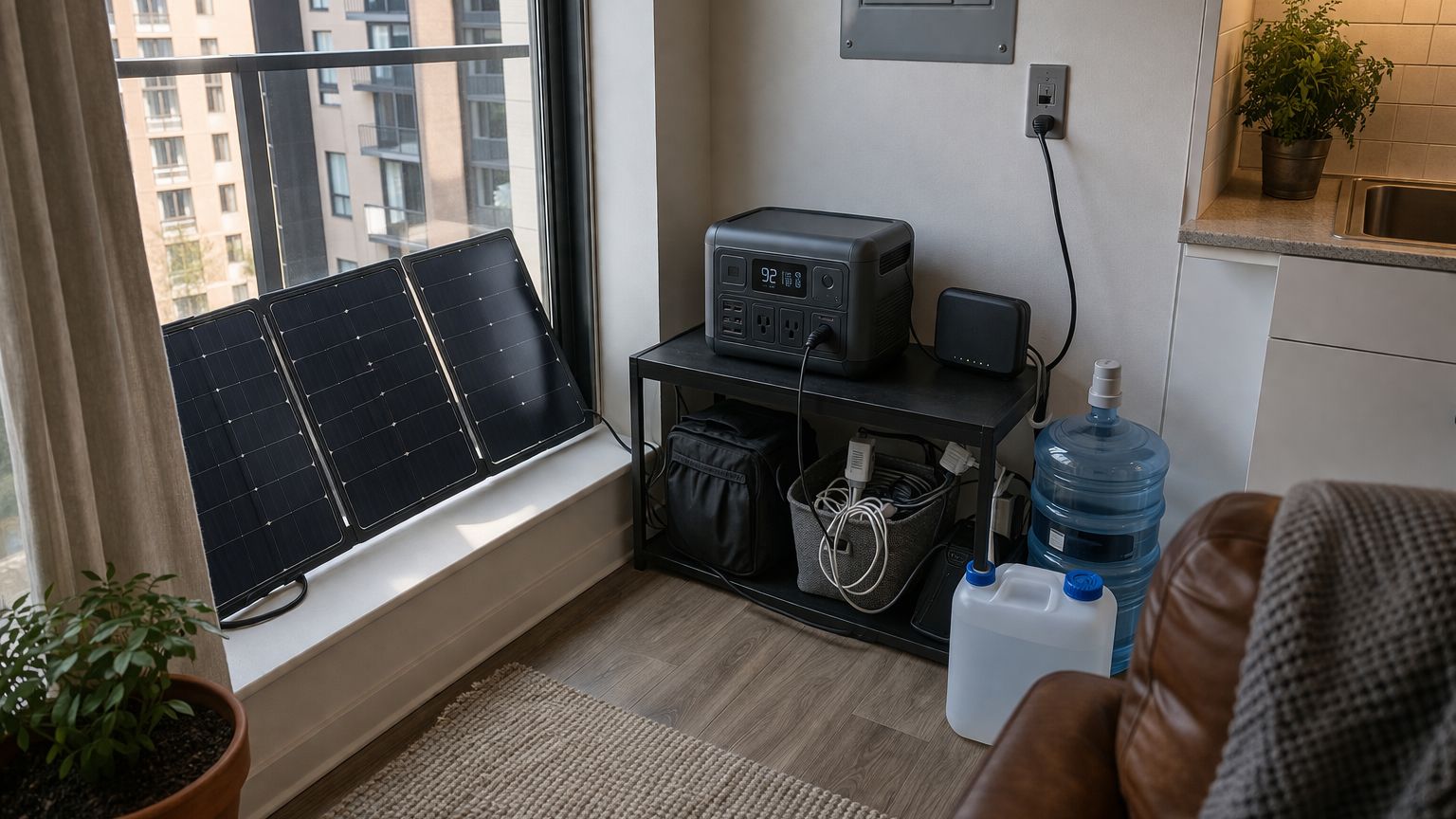
Urban environments operate under different conditions.
- Limited space
- Building regulations
- Shared infrastructure
- Variable access to sunlight
Those differences influence every design decision.
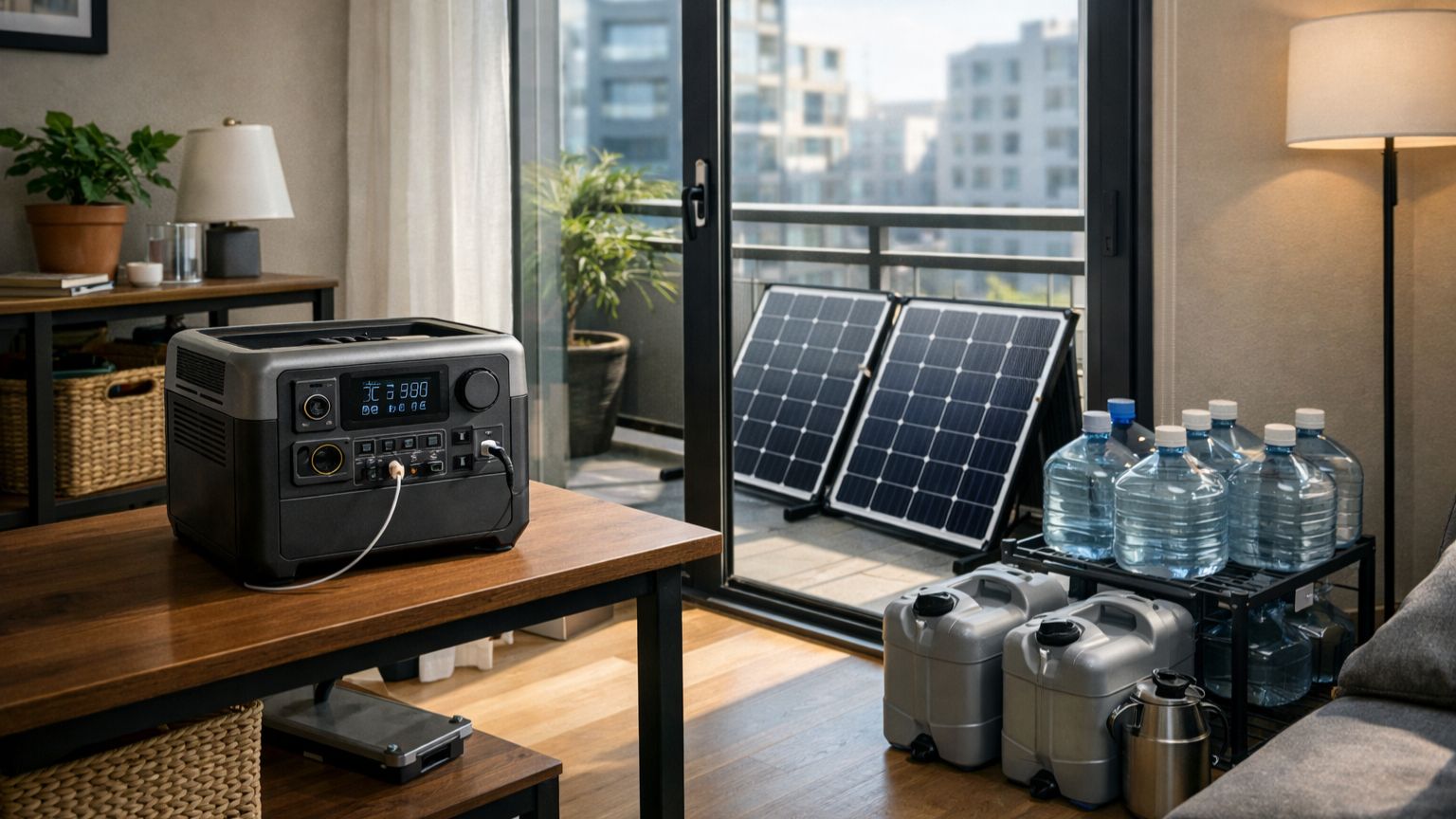
Equipment should fit the environment where it will actually be used. Portable systems, modular components, and flexible layouts often provide greater long-term value than designs based on rural installations with very different requirements.
Mistake 4: Assuming Solar Solves Everything
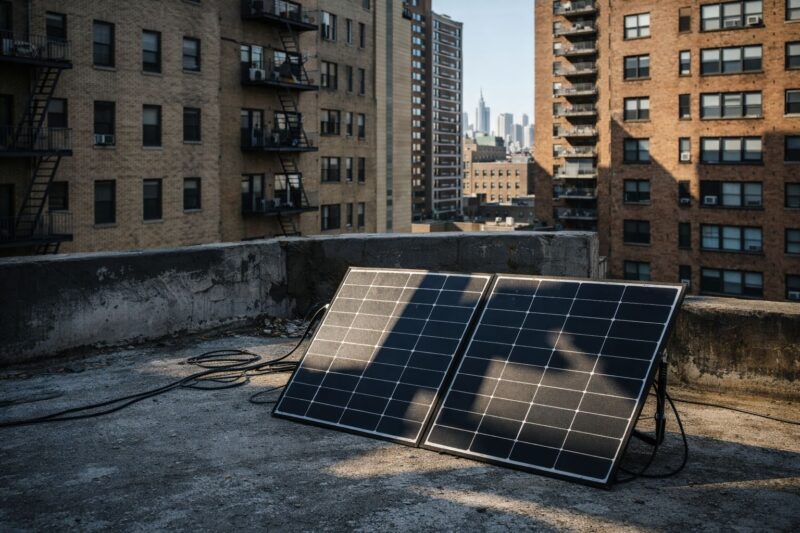
Solar power is one of the most valuable parts of an off-grid system, but it is only one part of the overall design.
Generation, storage, and consumption all influence how well the system performs.
In urban environments, solar production can vary significantly depending on building orientation, surrounding structures, seasonal changes, and local weather conditions.
Battery storage, efficient equipment, and thoughtful energy management help compensate for those variations, allowing the system to remain reliable even when solar production is lower than expected.
Viewing solar as one component within a larger energy system leads to more balanced designs and more predictable performance.
Mistake 5: Underestimating Energy Usage
Many people begin planning an off-grid system without having a clear picture of how much electricity they actually use each day.
That uncertainty often leads to systems that are either undersized for their intended purpose or larger than necessary.
Tracking a few common devices, estimating daily runtime, and understanding typical energy consumption provides a much stronger foundation for planning.
Even a basic understanding of household energy use makes it easier to size batteries, estimate solar production, and prioritize future upgrades with confidence.
Mistake 6: Focusing on Gear Instead of Systems
Individual products are easy to compare.
Entire systems require a broader perspective.
A battery performs differently depending on how it is charged. Solar panels produce different results depending on weather, orientation, and energy demand. Every major component influences the performance of the others.
Looking at equipment as part of an integrated system encourages better purchasing decisions because every addition is evaluated according to how it contributes to the overall design.
This perspective also makes future expansion much easier. Components are selected with compatibility and long-term growth in mind instead of solving isolated problems one purchase at a time.
How Small Mistakes Grow Into Larger Problems
Off-grid systems rarely become unreliable because of a single major mistake.
Performance usually changes gradually as several small issues begin affecting one another.
A battery that is not fully recharged after each use leaves less reserve for the next cycle. An inefficient appliance reduces available runtime. Poor cable organization makes routine maintenance more difficult. None of these issues are likely to cause immediate failure, but together they reduce the overall margin for error.
The effect often goes unnoticed until the system is placed under greater demand.
A longer power outage, several cloudy days, or higher-than-normal energy consumption can expose weaknesses that developed over time rather than appearing suddenly.
Regular maintenance helps prevent those small issues from accumulating. Keeping equipment organized, maintaining consistent charging habits, and reviewing system performance periodically all contribute to greater long-term reliability.
Successful systems are usually the result of many small improvements made consistently over time.
Mistake 7: Skipping Testing
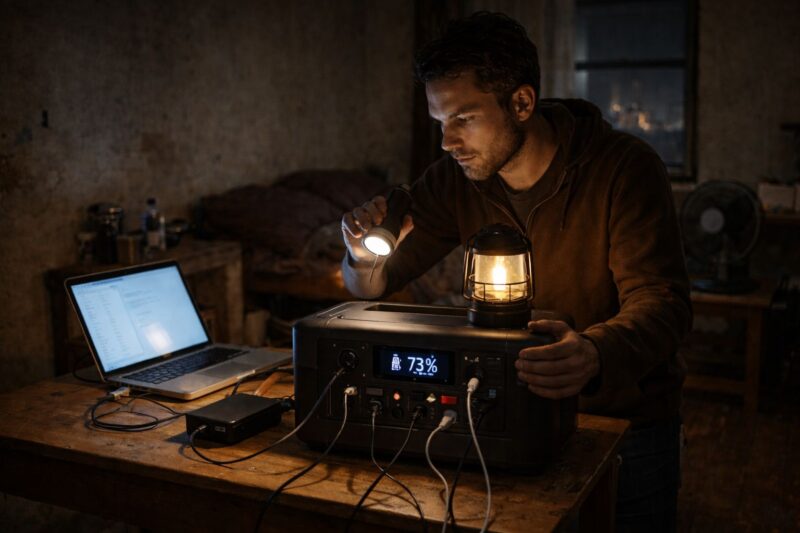
A newly assembled system is only the starting point.
Using it under real conditions provides information that planning alone cannot.
Running your setup during a planned outage or relying on battery power for part of a normal day reveals how long your batteries last, how quickly solar replenishes stored energy, and which devices consume more power than expected.
These experiences also make future troubleshooting much easier because you become familiar with the system before an unexpected outage places it under pressure.
Testing transforms assumptions into experience, and experience leads to better decisions.
Mistake 8: Ignoring Safety
Every off-grid system should be designed with safety as a priority from the beginning.
Battery systems, charging equipment, electrical connections, and backup cooking methods all require appropriate installation, storage, and routine inspection.
Important considerations include:
- Adequate ventilation
- Heat management
- Safe battery storage
- Following manufacturer recommendations
- Inspecting cables and connections regularly
Developing safe habits early helps protect both the equipment and the people relying on it.
Reliable systems are almost always well-maintained systems.
Mistake 9: Expecting Immediate Independence
Building an off-grid system is usually a gradual process.
Many successful setups begin with emergency backup power, basic lighting, communication equipment, and enough stored energy to cover essential needs during short disruptions.
As experience grows, additional storage, improved charging options, and greater generation capacity can be added where they provide meaningful benefits.
This gradual progression allows each upgrade to build on practical experience while keeping costs and complexity under control.
Why More Power Doesn’t Solve Every Problem
Adding capacity is sometimes the right decision.
In many situations, however, additional batteries or larger solar arrays improve only one part of the system while leaving the original limitation unchanged.
Higher energy consumption, inefficient equipment, unrealistic expectations, or inconsistent charging habits can all reduce overall performance regardless of battery size.
Understanding where the limitation actually exists makes upgrade decisions much more effective.
The right solution depends on the source of the limitation. Additional storage, improved efficiency, better daily usage habits, or a more organized setup can each provide meaningful improvements when matched to the underlying issue.
Evaluating the entire system before purchasing more equipment helps ensure each upgrade solves a real problem instead of simply increasing capacity.
Mistake 10: Ignoring Efficiency
Increasing supply is only one way to improve an off-grid system.
Reducing unnecessary demand often produces equally valuable results while requiring far less equipment.
Efficient lighting, lower-power appliances, thoughtful charging habits, and eliminating unnecessary standby loads all help extend battery runtime and reduce overall system stress.
These improvements also compound over time. Lower daily consumption allows batteries to recover more quickly, reduces the amount of solar generation required, and creates additional reserve capacity during longer outages.
Efficiency is one of the few upgrades that benefits every part of the system.
What This Looks Like in Everyday Use
Well-designed urban off-grid systems are built around realistic priorities.
Essential devices remain powered, communication stays available, and basic daily routines continue with minimal disruption.
The system grows gradually as new requirements emerge and experience identifies worthwhile improvements.
This approach keeps the equipment practical, manageable, and closely aligned with the way it is actually used.
Why These Mistakes Matter
Each of the mistakes covered in this article increases complexity, reduces reliability, or makes future upgrades more difficult than they need to be.
Avoiding them creates systems that are easier to understand, simpler to maintain, and better prepared for real-world conditions.
Experience accumulates with every adjustment, allowing future decisions to be based on observation instead of assumptions.
Over time, that process produces systems that remain dependable because they have evolved alongside the people using them.
The Advantage of Starting Small
Smaller systems provide a faster learning experience.
Each component is easier to understand, changes are easier to evaluate, and the effect of every upgrade is much easier to recognize.
Mistakes are usually less expensive, troubleshooting is more straightforward, and adjustments can be made without affecting a large or complicated installation.
By the time additional batteries, solar panels, or backup equipment are added, those decisions are supported by practical experience gathered from everyday use.
Experience gathered from each stage provides a stronger foundation for future expansion, allowing the system to grow with clear direction and well-informed decisions.
What Experienced Builders Do Differently

Experience changes the questions people ask.
Experienced builders usually begin by defining exactly what they expect the system to accomplish. Those goals guide later decisions about battery capacity, solar generation, and future upgrades.
That perspective naturally shapes every later decision.
Equipment is selected to support specific goals, upgrades solve identified limitations, and additional capacity is added where it provides measurable benefits.
Experienced builders also recognize that conditions change over time. Seasonal weather, household routines, and future requirements all influence system performance. Building with flexibility allows those changes to be accommodated without redesigning the entire system.
Regular testing, careful observation, and routine maintenance become part of the process as well. These habits provide a clearer understanding of how the system performs and make future improvements much easier to plan.
The system develops steadily through practical experience, with each upgrade strengthening the overall design and expanding its capabilities in a purposeful way.
The Better Approach
Successful off-grid systems tend to share a few common characteristics.
They begin with essential needs, grow in manageable stages, are tested regularly, and improve through practical experience.
Each stage provides information that guides the next, allowing the system to remain reliable while adapting to changing requirements over time.
This approach works well in any environment and is particularly valuable in urban settings where space, budget, and installation options are naturally more limited.
Final Thoughts: Build for Reality
Successful off-grid systems are built around real conditions, realistic expectations, and practical experience.
Every upgrade should improve the overall system, support the way it is actually used, and fit comfortably within the environment where it operates.
Developing a capable system takes time. Each stage adds practical experience that helps guide future improvements, allowing the system to become more reliable, more efficient, and easier to manage as it evolves.
That steady progression is what turns an off-grid system into a dependable part of everyday life.