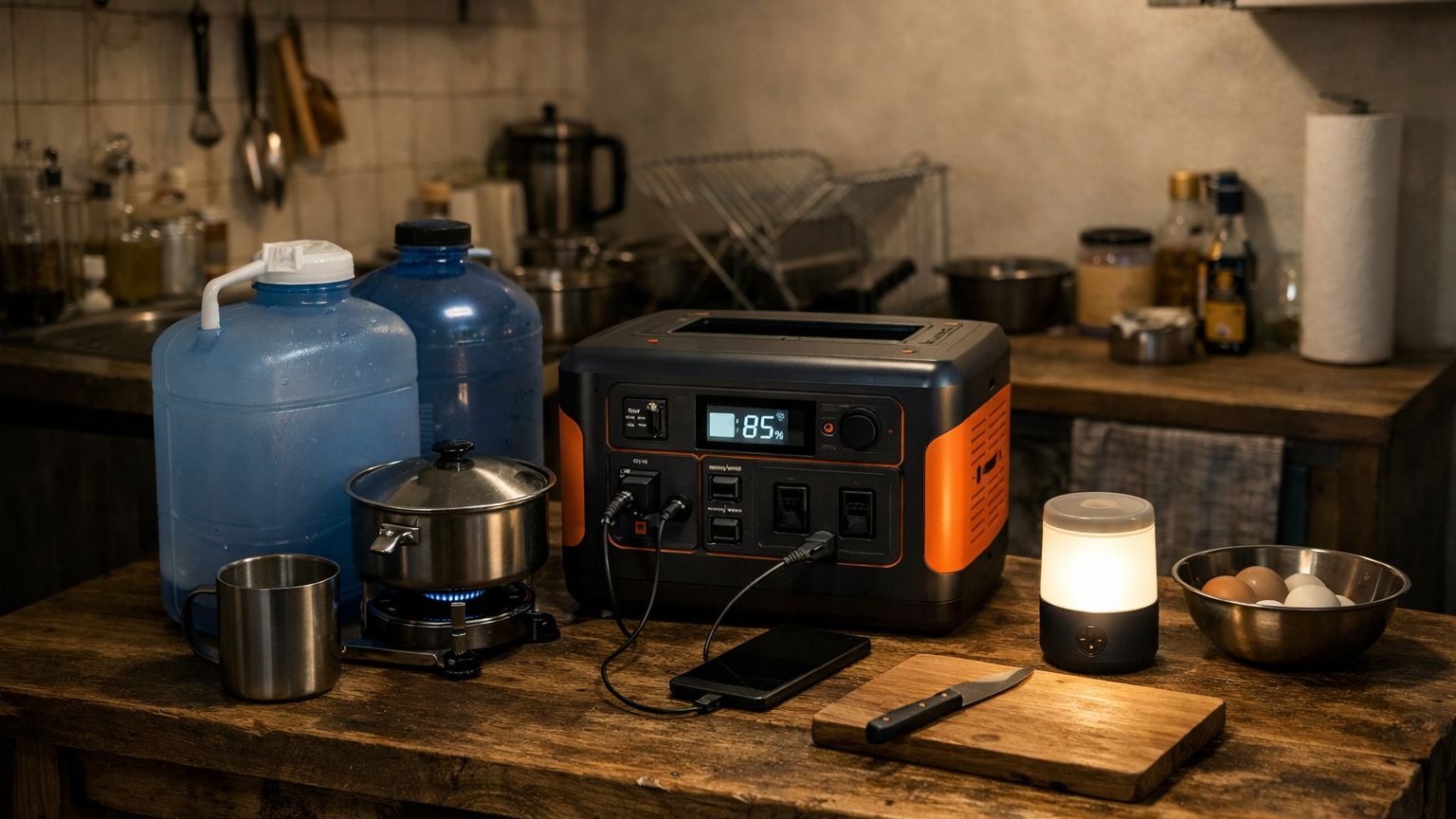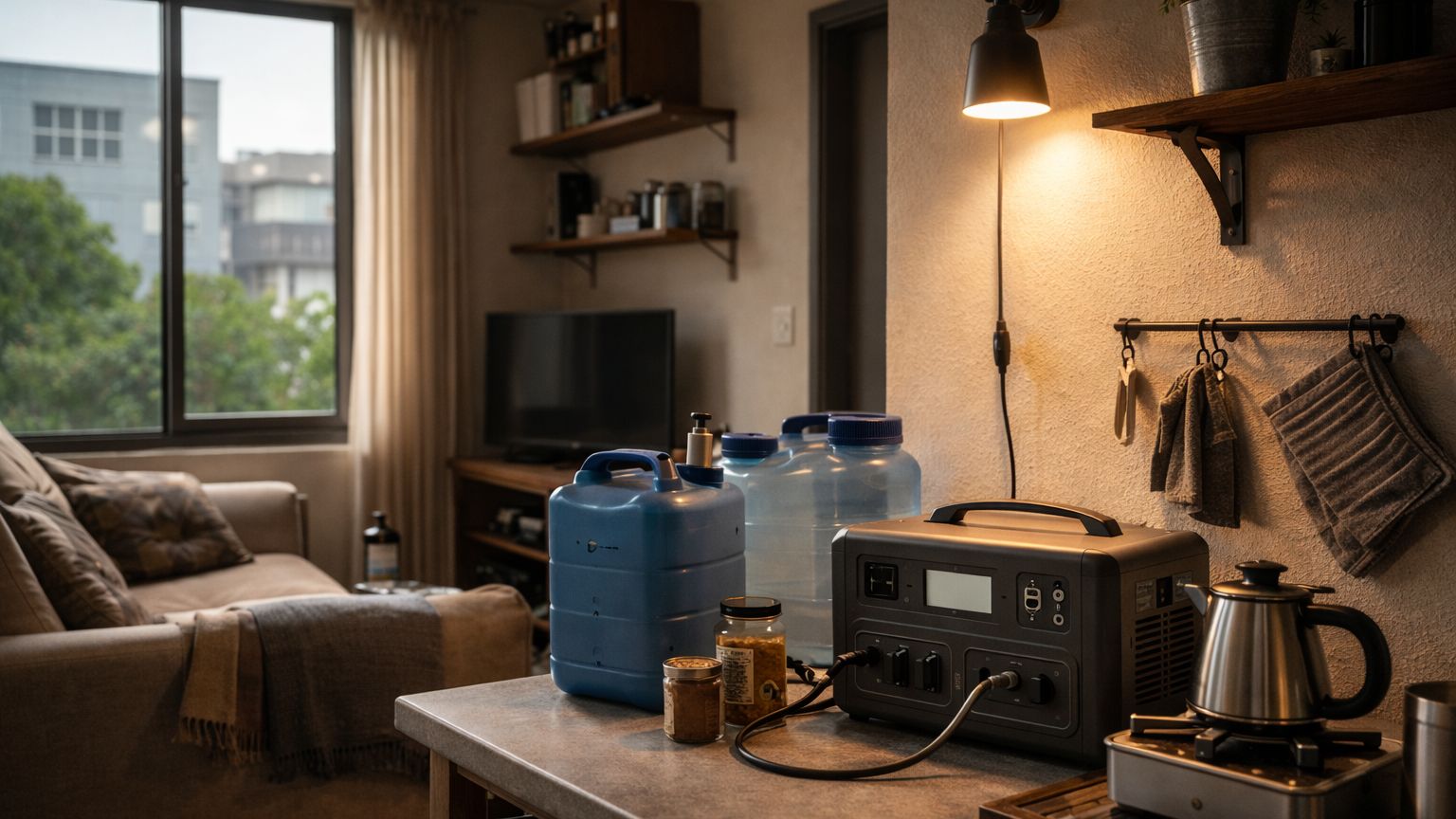
Urban vs Rural Off-Grid: What Changes

Urban and rural off-grid systems are built to solve different problems.
The equipment may look similar, but the way those systems are planned, expanded, and used changes significantly depending on the environment. Space, infrastructure, regulations, and available resources all influence what is practical and what can realistically be achieved.
Understanding these factors helps you design a system that fits your environment instead of trying to apply solutions developed for very different conditions.
The Core Difference: Environment Defines the System
The biggest distinction between urban and rural off-grid living is the environment itself.
Rural systems are built with space, access, and fewer restrictions in mind.
Urban systems are built within limits.
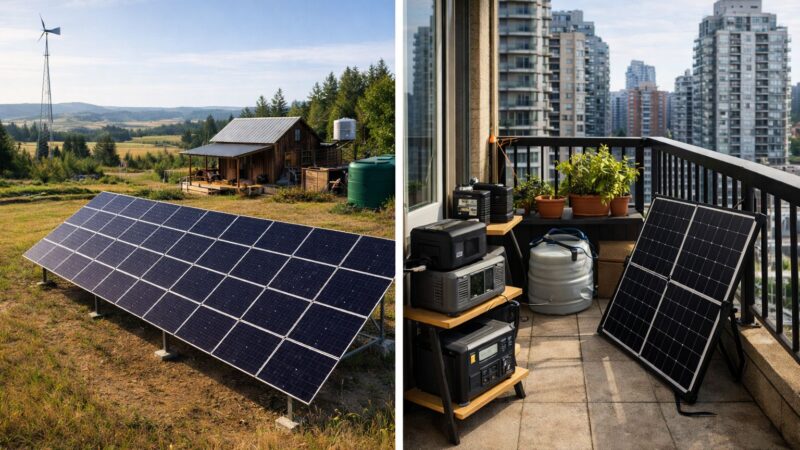
These limits include:
- Physical space
- Access to sunlight
- Building rules and regulations
- Shared infrastructure
These limitations encourage systems that prioritize efficiency, portability, and careful use of available space.
Space and Scale
Rural setups have the advantage of space.
You can install:
- Large solar arrays
- Dedicated battery rooms
- Backup generators
- Water storage systems
In an urban environment, scale is restricted.
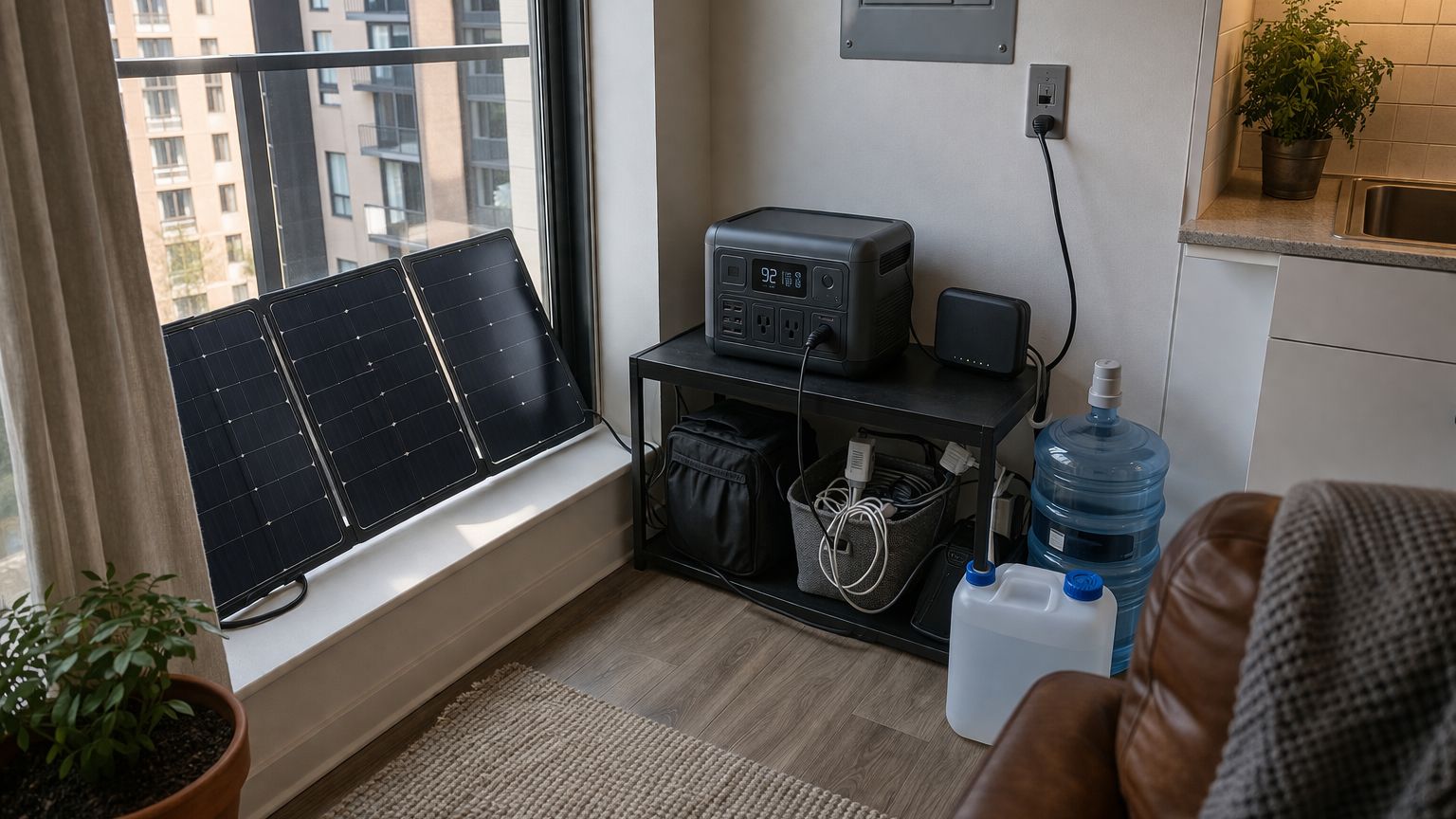
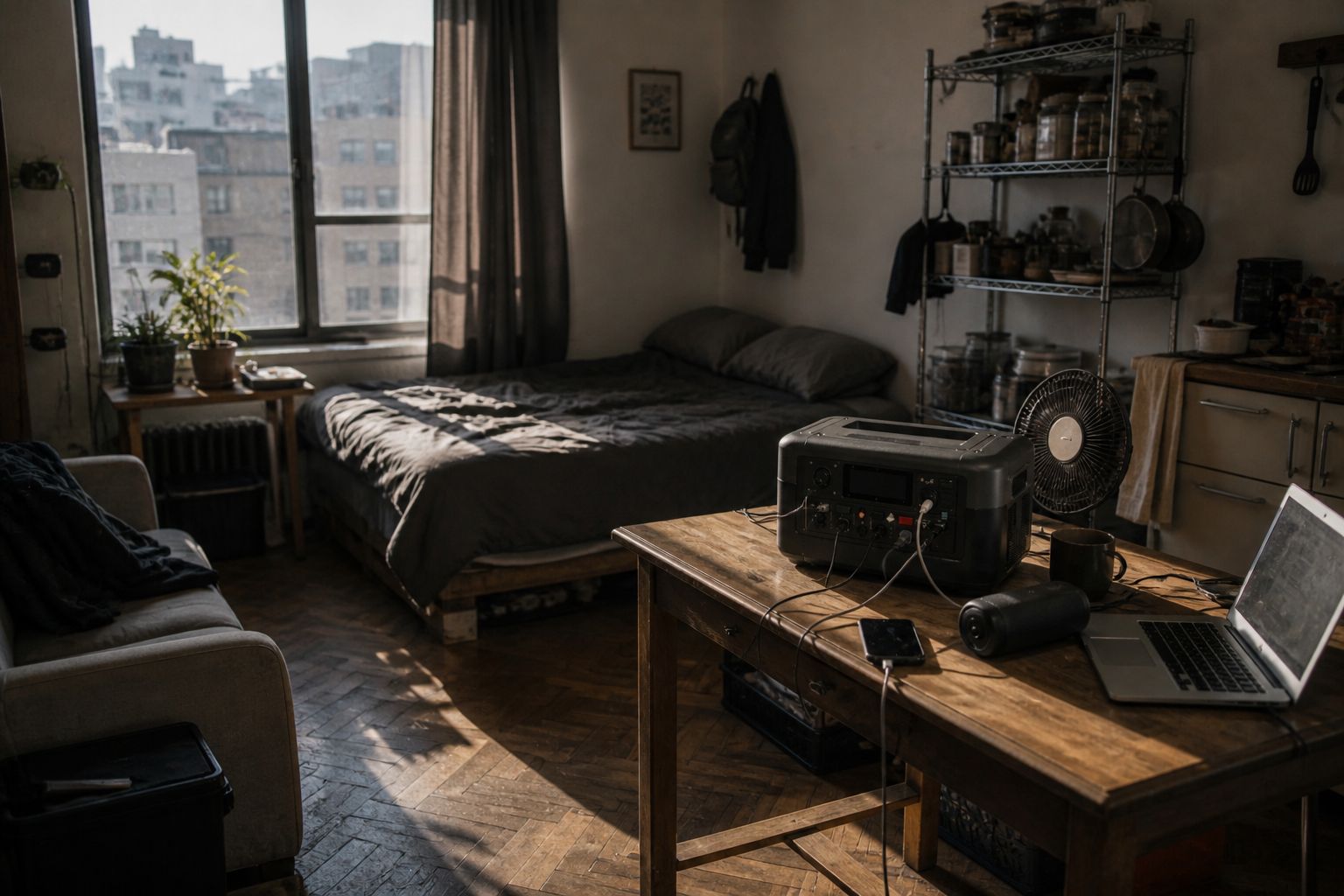
Most systems need to fit into:
- Closets
- Shelves
- Small utility areas
- Balconies
This changes how systems are designed.
Urban setups rely on compact, modular components instead of large fixed installations.
Side-by-Side System Planning: Urban vs Rural Decisions
When people compare urban and rural off-grid systems, they often think in terms of gear.
The better comparison is decisions.
Every environment forces different priorities.
Start with power.
In a rural setup, you plan for full daily production. You size solar to meet your needs and build storage to carry you through the night and bad weather.
In an urban setup, you plan for coverage.
You ask:
- What must stay on?
- For how long?
- How often will I recharge?
That changes everything.
Next is water.
Rural planning focuses on sourcing and storage. Wells, rain catchment, large tanks.
Urban planning focuses on buffering.
- How many days can I store?
- How do I filter if needed?
Then there’s space.
Rural systems expand outward.
Urban systems compress inward.
Every component needs to justify the space it takes up.
This is where many urban systems fail. They try to scale like rural ones.
That never works.
The key difference is how you think about the system from the start.
Why Urban Systems Rely More on Strategy Than Hardware
Rural off-grid systems often solve challenges by adding capacity. More solar panels, larger battery banks, additional water storage, and backup generators allow the system to handle greater demand and remain operational through longer periods of poor conditions.
Urban environments rarely have that flexibility. Space is limited, sunlight can be inconsistent, and installation options are often restricted by the building itself. Every component has to justify the space it occupies, making efficiency just as important as capacity.
This changes how urban systems are managed. Instead of relying solely on larger equipment, users often get better results by making more effective use of the resources they already have. Charging devices during periods of solar production, avoiding unnecessary standby loads, and spreading high-demand tasks throughout the day can noticeably extend battery runtime without adding another watt-hour of storage.
How a system is used can be just as important as the equipment it contains. Two households with nearly identical setups may see very different performance depending on their habits. A system that is managed carefully will often operate longer and more reliably than one with larger batteries but inefficient energy use.
Experience also becomes an advantage over time. As you become familiar with your equipment, it becomes easier to recognize which devices consume the most power, how weather affects charging, and where small adjustments can improve overall performance. These observations help refine the system without requiring major upgrades.
This is one of the biggest differences between urban and rural off-grid living. Rural systems often expand by increasing infrastructure, while urban systems frequently improve through better planning, organization, and more efficient use of the equipment already in place.
Power Generation and Storage
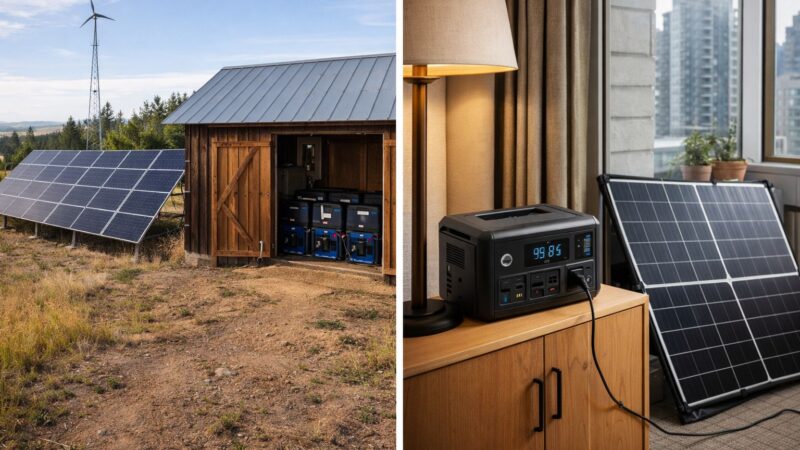
Power is where the differences become very clear.
In rural setups, solar systems are often the primary power source.
Panels can be positioned for optimal exposure, and systems can be sized to meet full daily demand.
In cities, solar is usually supplemental.
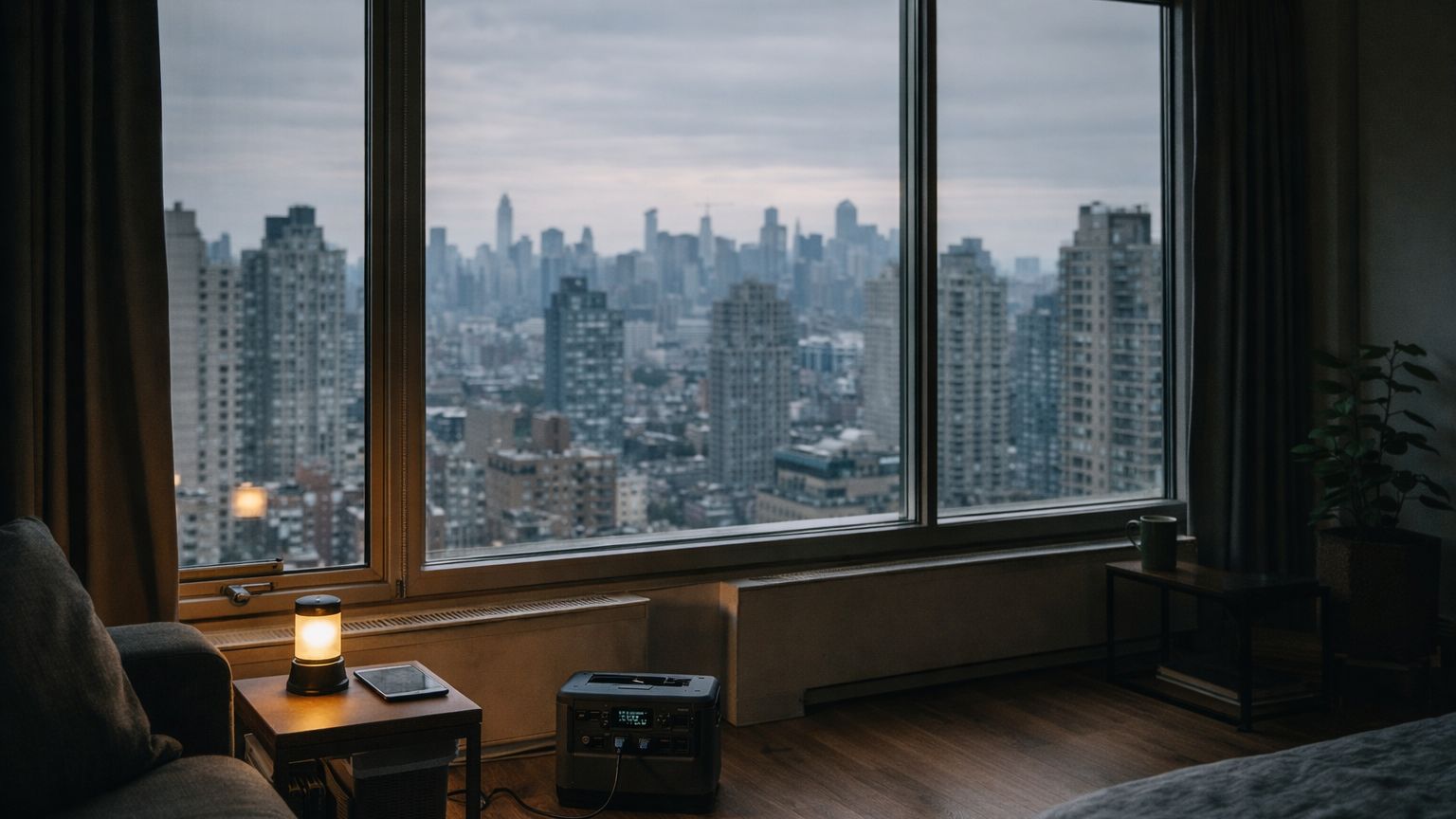
Buildings block sunlight. Roof access may be restricted. Panel placement is limited.
As a result:
- Urban systems rely more on stored energy
- Charging strategies are more flexible
- Hybrid approaches are more common
This makes battery systems especially important in urban environments.
Water Systems
Rural off-grid systems often include independent water sources.
These might include:
- Wells
- Rainwater collection systems
- Large storage tanks
Urban environments are different.
Water independence is usually short-term.
Most setups focus on:
- Stored drinking water
- Filtration systems
- Emergency reserves
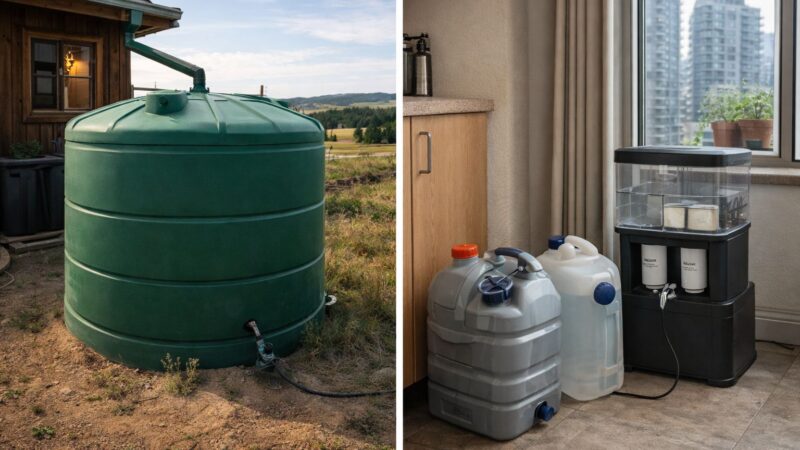
Most urban water systems focus on stored reserves and filtration that can help during temporary service interruptions.
Cooking and Daily Living
In rural setups, off-grid cooking can be fully integrated.
Wood stoves, propane systems, and outdoor cooking areas are common.
Urban environments require more care.
Cooking systems need to be:
- Compact
- Safe for indoor use
- Compatible with ventilation limits
This leads to smaller, more controlled setups.
Daily living systems in cities tend to be modular and easy to store when not in use.
Regulations and Restrictions
One of the biggest differences is regulation.
Rural areas often have fewer restrictions on:
- Energy systems
- Water collection
- Fuel storage
Urban areas introduce more oversight.
You may need to consider:
- Lease agreements
- Building codes
- Fire safety rules
- Restrictions on modifications
These factors shape what is possible and how systems are implemented.
Understanding them early prevents problems later.
How Daily Life Actually Feels: Urban vs Rural Off-Grid Reality
Living off-grid is not just about system design. It shows up in daily behavior, small decisions, and how often you think about your setup.
On paper, urban and rural systems look like different configurations. In practice, they feel completely different to live with.
In a rural setup, stability is the defining trait. If the system is built correctly, daily life does not change much during outages. You wake up, use power, cook, and go about your routine. The system runs in the background. You are not thinking about it constantly. That is the goal — continuity.
This only works because rural systems are built with enough capacity to absorb disruption. Large solar arrays, bigger battery banks, and backup systems all contribute to that stability.
Urban systems are different. Even when they are well-built, you feel them more.
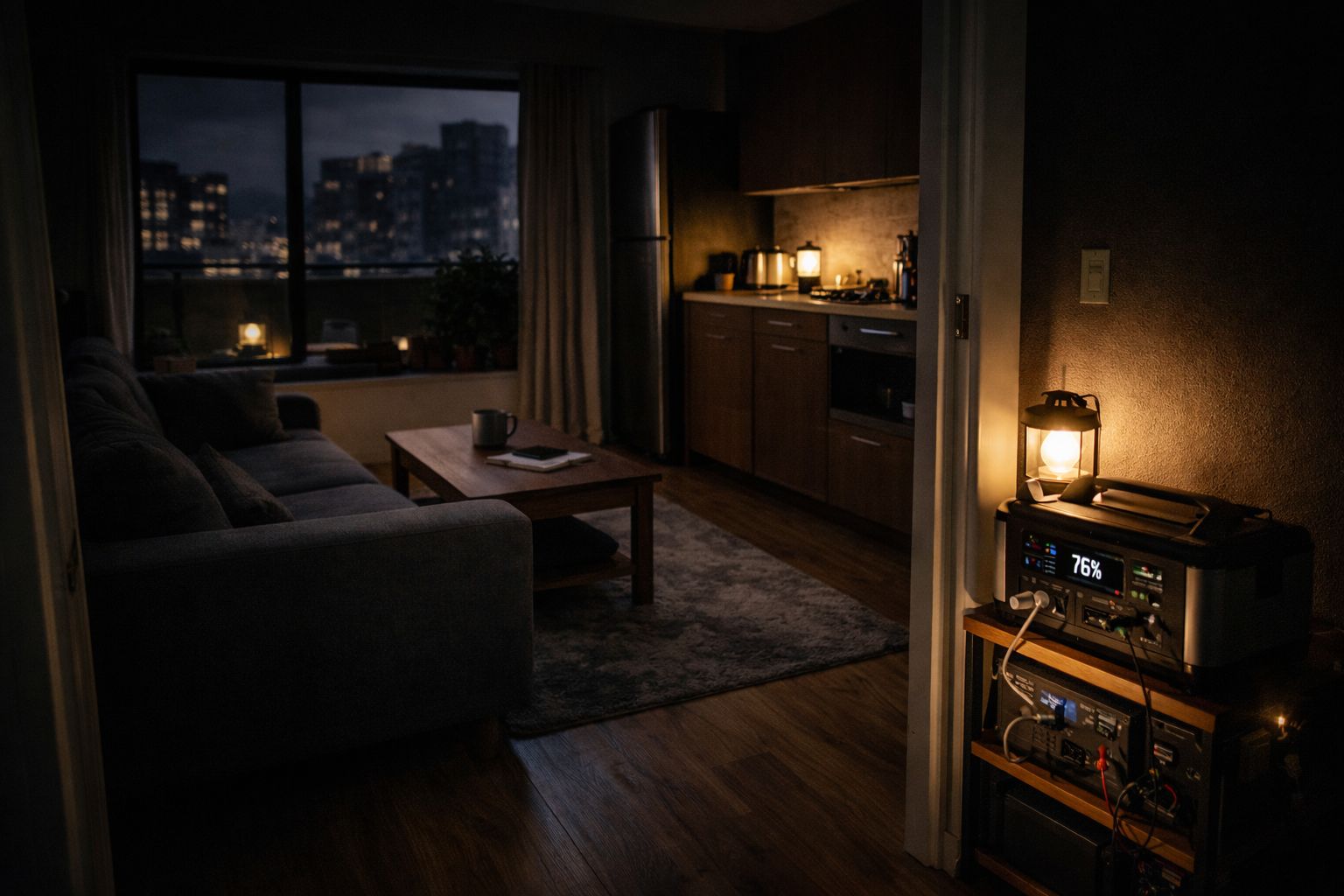
You notice what is running. You think about how long your battery will last. You decide when to charge devices instead of doing it automatically. These are not stressful decisions, but they are present throughout the day.
That difference changes how you behave.
In a rural system, behavior stays consistent. In an urban system, behavior becomes adaptive.
Consider a simple 48-hour outage.
A rural user may continue using appliances normally. Lights stay on. Devices charge as needed. The system absorbs the disruption, and daily life continues with minimal change.
An urban user approaches the same outage differently. They switch to battery, prioritize essential devices, and adjust usage patterns.
Both users succeed. But the experience is not the same.
One is passive. One is active.
If you expect rural-level continuity in an apartment, your system will feel inadequate. If you expect active management, the same system feels controlled and effective.
Over time, urban users develop awareness. You understand your energy use. You reduce waste naturally. You make better decisions without thinking about them.
Rural systems aim to remove awareness.
Urban systems require it.
Once you accept that, your system starts to feel intentional instead of limited.
Expanding a System Over Time: Urban vs Rural Approaches
One of the biggest differences between urban and rural off-grid systems is how they grow over time.
Rural systems often expand through scale. Additional solar panels, larger battery banks, increased water storage, and backup generators can be added as needs change. The available space makes these upgrades relatively straightforward.
Urban systems usually expand through efficiency and prioritization. Space is limited, so every new component must justify the room it occupies. Before adding capacity, urban users often look for ways to reduce consumption, improve organization, or make better use of existing equipment.
This creates different upgrade paths.
A rural system might grow from a small solar array into a whole-property energy system. An urban system is more likely to evolve through a series of smaller improvements, such as adding battery capacity, improving charging options, upgrading to more efficient devices, or increasing water storage.
Neither approach is inherently better. They simply reflect the realities of the environment.
Understanding how expansion works helps set realistic expectations from the beginning. Most successful systems are not built all at once. They develop gradually as experience reveals where additional capacity, redundancy, or efficiency would be most useful.
System Design Philosophy
Maintenance and Long-Term Ownership
Building an off-grid system is only part of the process. Keeping it reliable over the long term requires regular maintenance, and the work looks different in urban and rural environments.
Rural systems often involve more infrastructure. Large solar arrays, fixed battery banks, generators, water systems, and pumps all require periodic inspection and maintenance. Components are spread across a larger area, and repairs may involve more time, specialized tools, or replacement parts.
Urban systems are usually smaller and easier to inspect, but they still benefit from regular attention. Batteries should be charged and tested periodically, stored water should be rotated, and backup equipment should be checked to ensure it is ready when needed. Because space is limited, keeping equipment organized is also an important part of long-term reliability.
Neither environment is maintenance-free. The difference is where the effort is spent. Rural systems typically require more physical maintenance, while urban systems place greater emphasis on organization, testing, and making sure equipment remains ready for use.
A system that is maintained consistently is far more likely to perform as expected, regardless of where it is installed.
Real-World Example: Same Budget, Two Very Different Systems
Take the same budget and build two systems.
One urban. One rural.
The results look completely different.
Rural system:
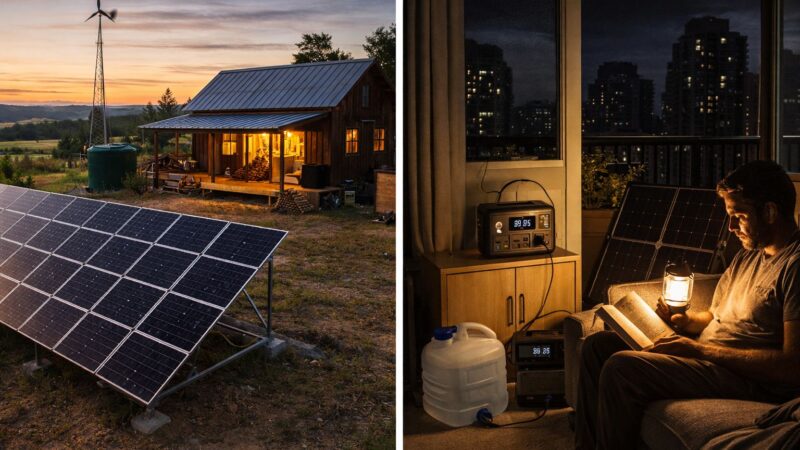
- Large solar array
- Fixed battery bank
- Generator backup
- Water storage tied to a collection system
It is stable. It is fixed. It is designed to run everything.
Urban system:
- Portable power stations
- Foldable solar panels
- Compact water storage
- Modular cooking setup
It is flexible. It is movable. It is designed to cover essentials.
Both systems can cost the same.
But they solve different problems.
The rural system replaces the grid.
The urban system works alongside it.
That distinction matters when you start planning.
Cost and Complexity
Rural systems can become large and complex.
They often require:
- Significant upfront investment
- Installation planning
- Ongoing maintenance
Urban systems are usually smaller.
They can be:
- Built in stages
- Adjusted over time
- Managed with lower upfront cost
This makes urban off-grid living more accessible for many people.
Why Urban Systems Improve Faster Over Time
There is one advantage urban systems have that is easy to overlook.
They evolve faster.
Because they are:
- Smaller
- Modular
- Easier to test
You can make changes quickly.
Add a new battery. Try a different charging method. Rearrange your setup.
Rural systems are harder to adjust.
They are larger. More permanent. More expensive to modify.
Urban systems reward iteration.
You build, test, adjust, and improve.
Over time, this leads to very efficient setups.
Not because they started perfect.
Because they were refined.
What Transfers Between Both
Despite the differences, some principles apply in both environments.
- Understanding your energy usage is essential
- Efficiency improves every system
- Redundancy increases reliability
- Simplicity reduces failure points
These fundamentals carry across both urban and rural setups.
Avoiding the “Rural Mindset” Trap in the City
One of the biggest mistakes people make is thinking like they are in a rural environment while living in a city.
This leads to:
- Trying to install oversized systems
- Overestimating solar production
- Ignoring building constraints
The fix is simple.
Accept the environment.
Design within it.
Urban and rural systems solve different problems and should be planned accordingly.
Once you treat them that way, decisions become clearer.
And systems become far more effective.
The Real Cost of Getting This Wrong in an Urban Setup
Most urban off-grid mistakes come from designing a system that does not match how you actually live.
A setup may look impressive on paper but still perform poorly if it consumes too much space, requires constant management, or is difficult to use during an outage. Oversized equipment, unrealistic expectations, and poor organization often create more problems than they solve.
Many people approach urban planning with rural assumptions. They focus on maximum generation, maximum storage, or complete independence before understanding their actual requirements. This can lead to unnecessary spending, awkward installations, and systems that become inconvenient to maintain.
A more effective approach is to start with essential needs. Identify the devices and services that matter most, determine how long they need to operate, and build around those requirements. This produces a system that is easier to use, easier to expand, and more likely to remain useful over time.
Urban environments reward practical design. Compact systems, realistic expectations, and gradual expansion usually produce better results than trying to build a large system from the beginning.
Building around real-world requirements often leads to simpler, more effective systems that are easier to expand as needs change.
Common Mistakes When Comparing the Two
A common mistake is trying to apply rural solutions directly to urban environments.
This often leads to:
- Oversized systems that do not fit the space
- Equipment that cannot be used safely
- Unrealistic expectations about independence
Urban systems work best when they are designed specifically for urban conditions.
Choosing the Right Approach for Your Situation
The best system is the one that fits your environment.
If you are in a city, your focus should be:
- Compact systems
- Flexible charging options
- Safe, compliant setups
If you are in a rural area, you may prioritize:
- Larger generation capacity
- Full system independence
- Long-term sustainability
Each approach is valid.
They simply solve different problems.
Final Thoughts: Matching the System to the Environment
Urban and rural off-grid systems may use many of the same technologies, but they are designed around very different environments.
Space, available resources, regulations, and daily needs all influence how a system should be planned and where it will perform best. Designing with those factors in mind leads to systems that are easier to build, easier to expand, and better suited to long-term use.
Choosing an approach that matches your environment gives every part of the system a clearer purpose. Capacity, storage, layout, and expansion all become easier to plan because they are based on the conditions you actually have rather than the ones you wish you had.