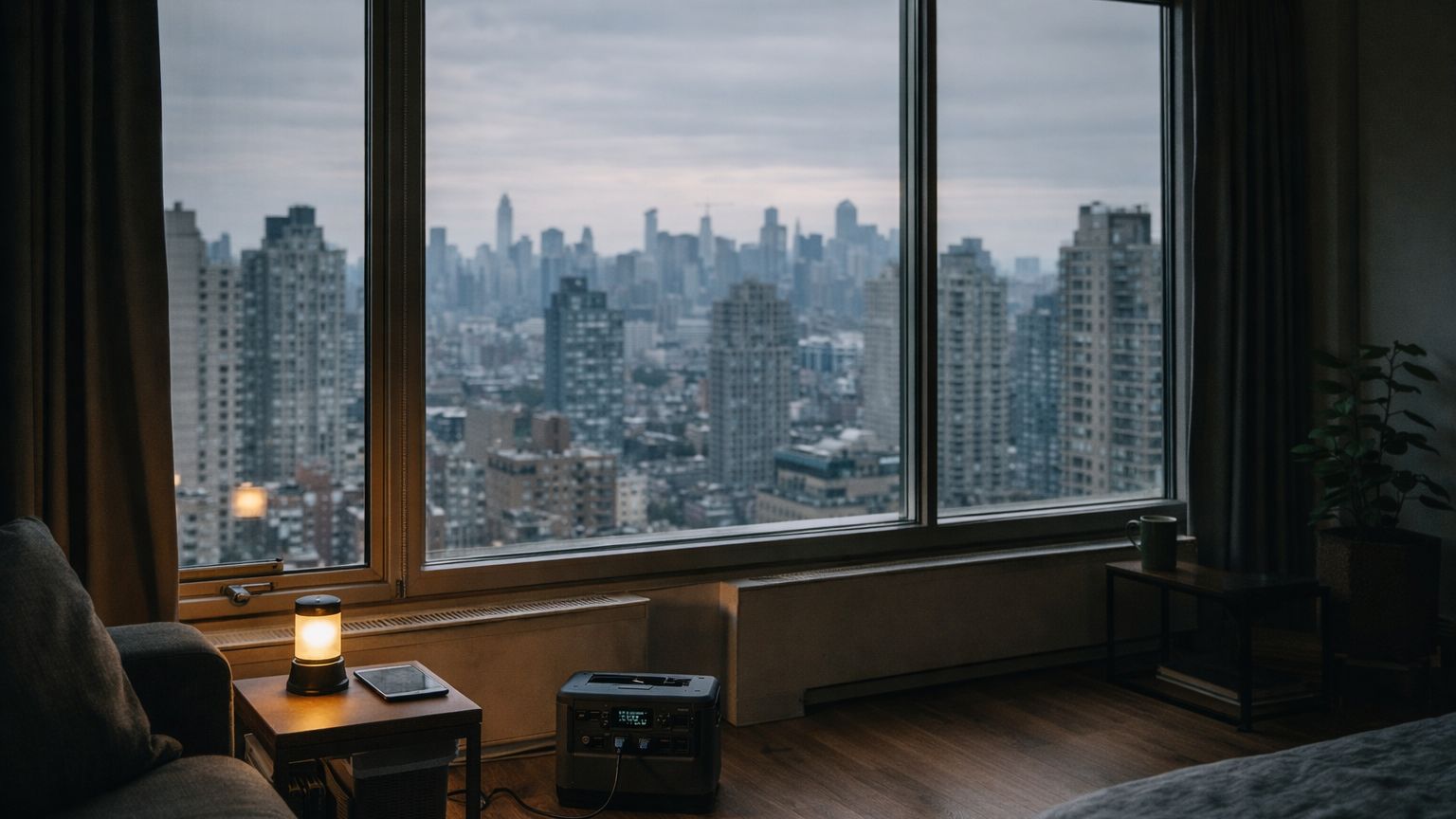
Urban Off-Grid Living: How to Build a Self-Reliant Setup in the City
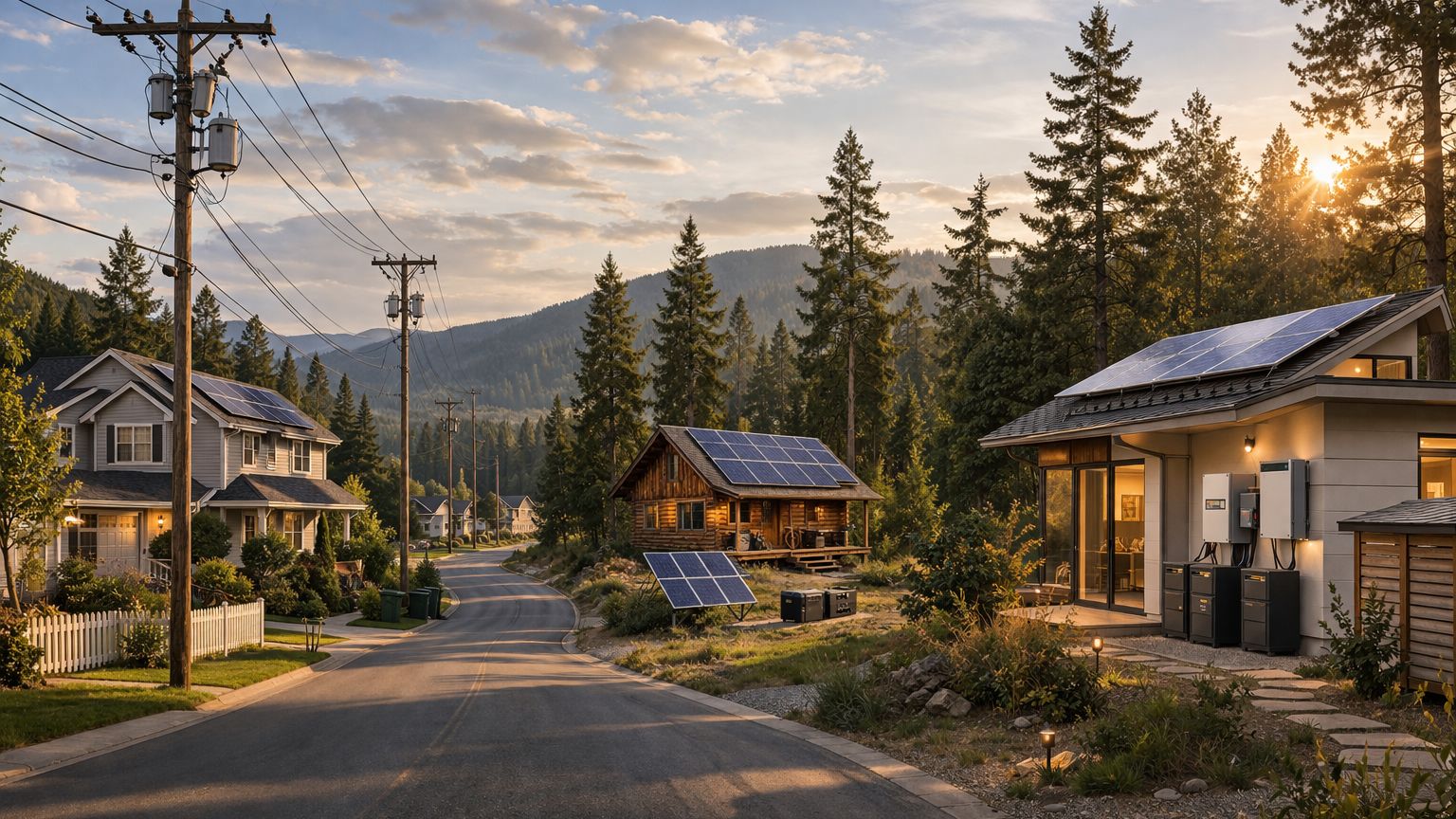
Off-grid living is often associated with remote cabins, open land, and total separation from modern infrastructure.
In reality, a growing number of people are building resilient systems right inside cities.
You do not need to disconnect completely to gain the benefits of off-grid living. With the right approach, you can reduce dependence on utilities, protect yourself from outages, and build a system that continues working when the grid becomes unreliable.
Urban off-grid living is about control. It is about designing your environment so that essential parts of your daily life remain stable, even when external systems fail.
What Urban Off-Grid Really Means
In most cities, full disconnection from the grid is not practical and often not allowed.
Urban off-grid systems are typically hybrid setups. You stay connected to utilities, but you build parallel systems that can take over when needed.
These systems usually cover:
- Power generation and storage
- Water storage and filtration
- Cooking and basic food preparation
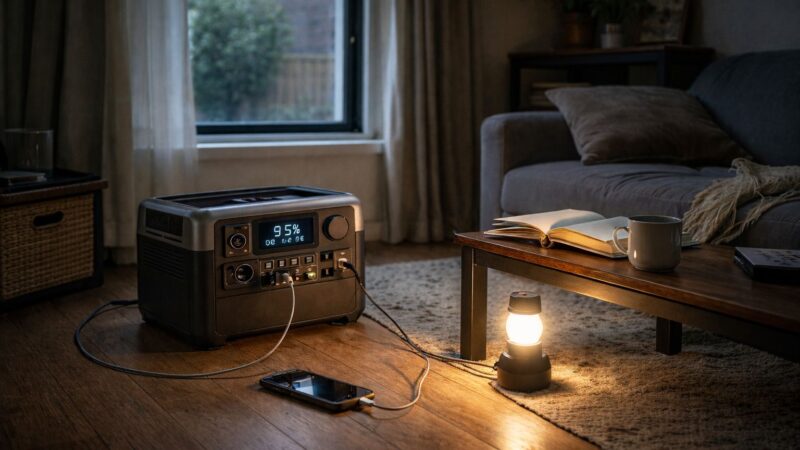
- Communication and device charging
The goal is not perfection. The goal is reliability.
A well-built partial system can handle short outages, reduce long-term costs, and give you flexibility that most people do not have.
Why Urban Off-Grid Systems Are Growing
Urban infrastructure is efficient, but it is not immune to failure.
Power outages, extreme weather, and grid instability are becoming more common. At the same time, more people are working from home, relying on internet connectivity, and storing critical data locally.
This creates a simple problem: when the grid goes down, daily life stops.
Urban off-grid systems solve this by adding a layer of independence.
Even a small battery and solar setup can keep essential devices running. A basic water system can cover short-term disruptions. A simple cooking solution can keep you functional when the kitchen goes offline.
These are small upgrades individually, but together they form a system that changes how vulnerable you are to external disruptions.
The Core Components of an Urban Off-Grid Setup
Every urban system is built around the same core idea: cover the essentials first.
Power
Power is the foundation.
Most urban setups start with a portable power station or small battery system. This gives you immediate backup for:
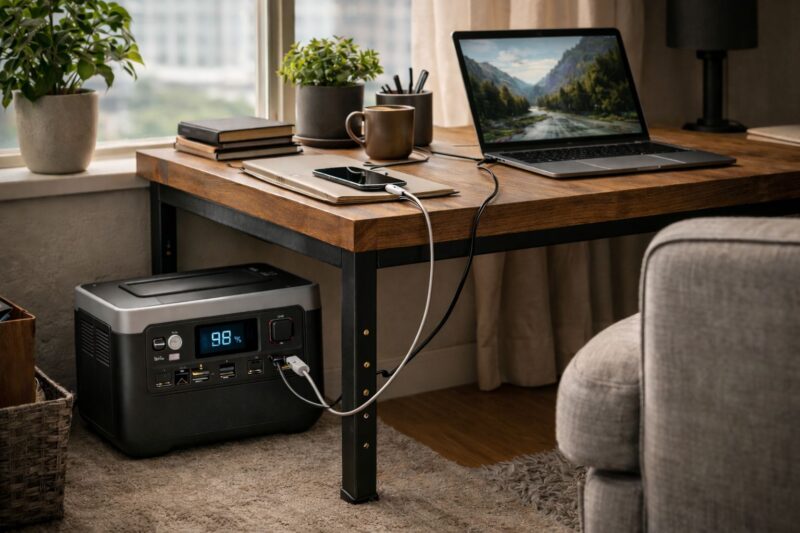
- Phones and laptops
- Lighting
- Internet equipment
- Small appliances
From there, you can expand with solar panels or additional batteries.
If you are just starting, focus on understanding your daily energy usage. Knowing what you actually need makes every decision easier.
Water
Water systems are often overlooked until they are needed.
In an urban environment, the goal is simple: short-term independence.
A practical setup includes:
- Stored drinking water
- A compact filtration system
- A way to safely treat additional water if needed
You do not need large tanks to get started. Even a small reserve can carry you through temporary disruptions.
Cooking
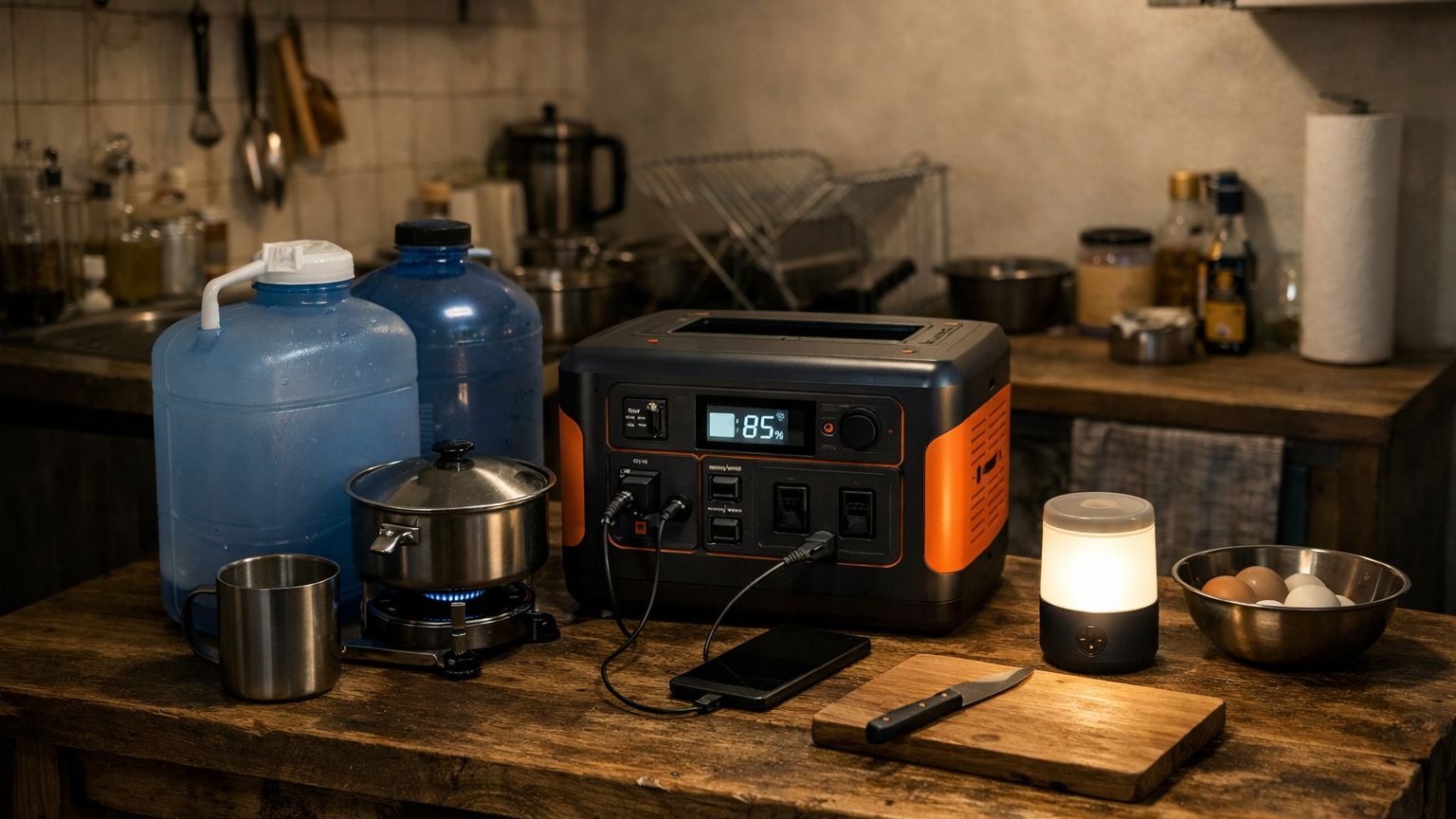
Cooking without grid power is one of the first real challenges people encounter.
Urban-safe solutions include:
- Butane or propane camping stoves (used with proper ventilation)
- Electric cooking using a battery system
- No-cook food options for short outages
The key is having at least one reliable method that does not depend on your standard kitchen setup.
Communication
Staying connected matters more than most people expect.
A simple system should allow you to:
- Keep your phone charged
- Maintain internet access if possible
- Power a router or hotspot during outages
This is where even a small battery system can make a major difference.
How to Size Your Urban Power System Without Guesswork
Getting power right changes everything. Get it wrong and the whole setup feels unreliable.
Most people guess. They buy a power station based on brand, price, or a YouTube video. Then the first outage hits—and the system dies faster than expected.
Start with your actual usage.
List what you need to keep running during an outage. Not everything. Just essentials. Phones, laptop, modem, router, a light or two. Maybe a small fan. That’s your baseline.
Now quantify it.
Every device has a watt rating. Multiply watts by hours used. That gives you watt-hours. This number matters more than anything printed on the box.
Example:
- Laptop: 60W × 5 hours = 300Wh
- Router + modem: 20W × 10 hours = 200Wh
- Phone charging: ~30Wh total
- Lighting: 10W × 5 hours = 50Wh
Total: ~580Wh for one day.
Now add buffer. Always.
Real-world usage isn’t clean. Batteries lose efficiency. Inverters waste power. Devices spike on startup. Add 20–30%.
Now you’re closer to 750Wh per day.
This tells you something simple: a 300Wh unit won’t cut it. A 1000Wh unit gives you breathing room.
That’s how sizing works. Not by guess. By math.
Next problem—charging.
A battery is only as useful as your ability to refill it. In cities, this is where most setups fail. People assume solar will cover everything. It rarely does.
Balcony solar is limited. Window angle matters. Shadows matter. Weather matters.
So plan for multiple inputs:
- Wall charging (when grid is up)
- Solar (when available)
- Car charging (if needed)
Layered input means resilience.
Then comes load discipline.
When you’re running on backup power, behavior changes. You don’t run everything at once. You prioritize.
You charge devices in cycles. You turn things off when not in use. You stretch runtime.
This is where small systems outperform large ones—if managed properly.
One more mistake to avoid: inverter obsession.
People chase high watt output. 2000W. 3000W. Sounds impressive.
But most urban needs sit under 300W continuous. Oversizing inverter capacity drains batteries faster and increases cost without real benefit.
Capacity matters more than peak output.
Focus on watt-hours. Not marketing numbers.
Finally, test your system.
Don’t wait for a real outage. Simulate one.
Turn off your breaker. Run your setup for a few hours. See what breaks. See what drains faster than expected.
You’ll learn more in one test than weeks of research.
That’s how you build confidence.
Start Small and Build in Layers
One of the biggest mistakes people make is trying to build a complete system all at once.
Urban off-grid systems work best when they are built in stages.
A typical progression looks like this:
- Start with a battery or power station
- Add basic backup for essential devices
- Introduce solar charging if possible
- Expand storage capacity
- Add water and cooking systems
Each step builds on the previous one.
This approach keeps costs manageable and allows you to learn how your system behaves in real conditions.
Balcony Solar Reality: What Actually Works in a City
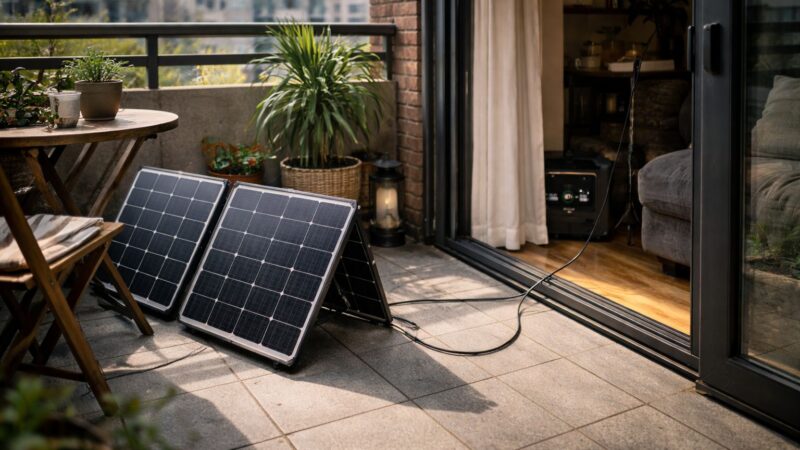
Balcony Solar Reality: What Actually Works in a City
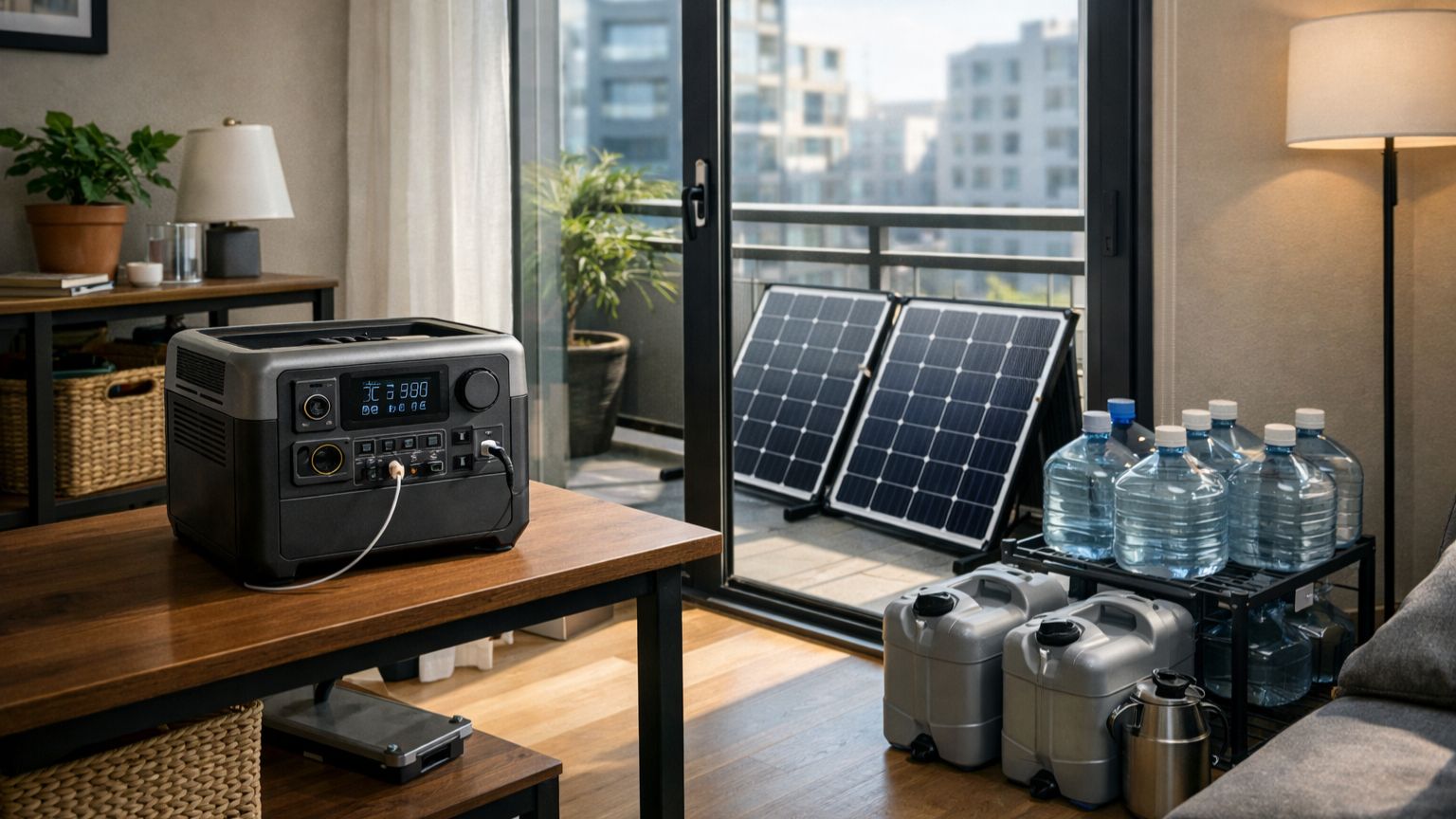
Balcony solar sounds simple: place panels outside, charge a battery, and collect free energy. In practice, urban solar systems are limited by three factors: panel angle, sunlight exposure, and available daylight hours.
Most apartment dwellers cannot position panels at an ideal angle, and nearby buildings, trees, railings, and other obstacles often create partial shading throughout the day. Many units also receive only a few hours of direct sunlight, which can significantly reduce real-world output.
As a result, a 200W solar panel rarely produces 200W continuously. Depending on weather, season, and location, actual production may average closer to 60-120W during peak sunlight hours and much less outside those periods.
For most urban setups, solar works best as a supplement to battery storage rather than a primary energy source. If your daily consumption is 700Wh and your panels generate 300-400Wh on a good day, battery reserves still carry much of the workload.
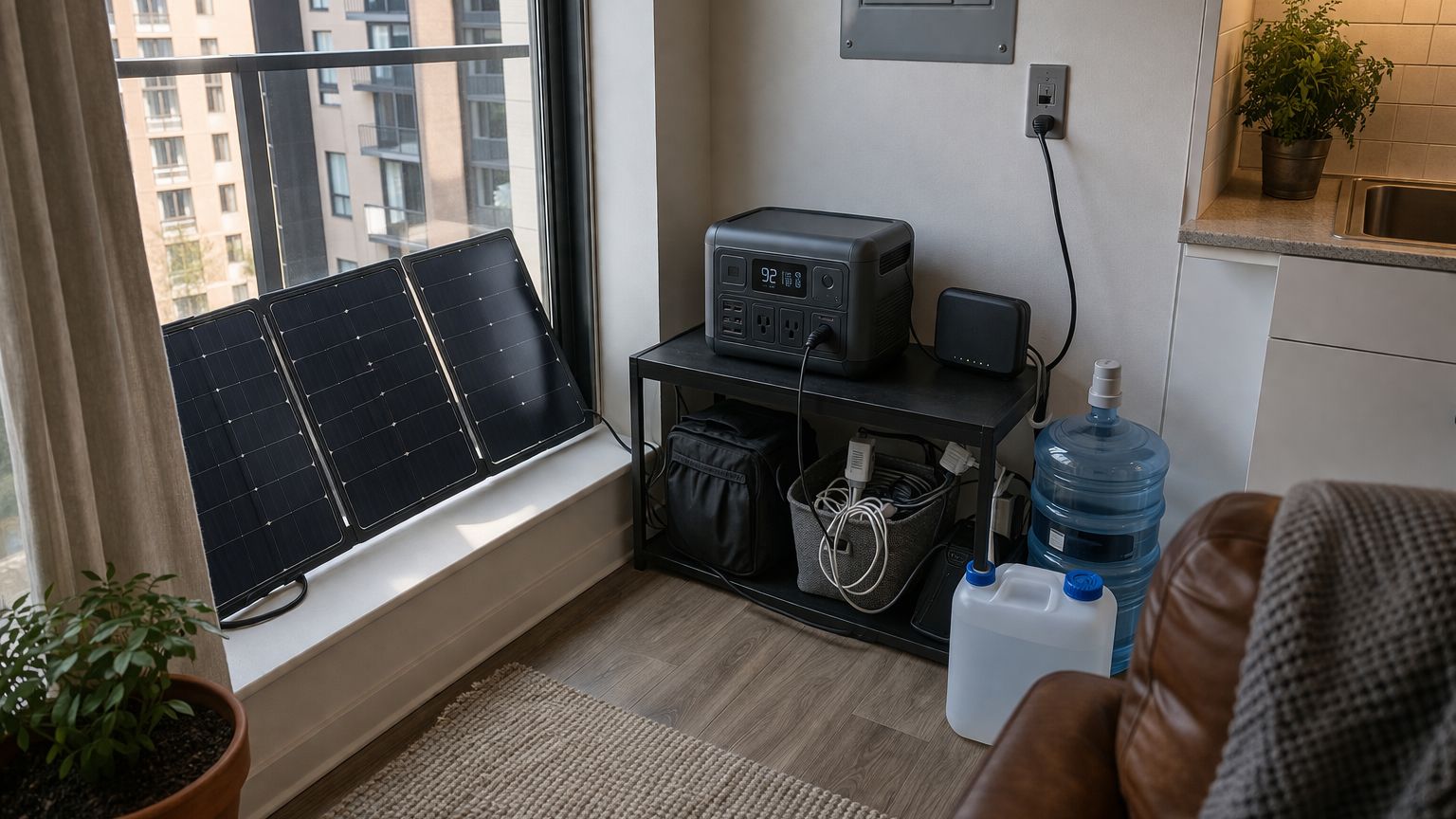
Foldable solar panels are often the most practical option for apartment and condominium residents. They can be repositioned as sunlight changes, stored indoors when not in use, and usually avoid many of the restrictions associated with permanent installations. Even small adjustments can make a noticeable difference. Moving a panel out of partial shade may improve output more than adding additional panel capacity.
Most power stations display real-time charging input, making it easy to observe how weather, season, and panel placement affect production. Over time, this helps identify the most productive locations and hours for solar collection.
Basic setup details also matter. Keep cable runs short, secure connections properly, and avoid routing cables through windows or doors in ways that could damage them over time. Heat is another consideration. Solar panels are designed to operate outdoors, but batteries generally perform best when kept indoors and out of direct sunlight.
One common mistake is expecting solar panels to fully recharge a battery every day regardless of conditions. Urban solar systems are often limited by shade, building orientation, and available space. A more realistic goal is to use solar to reduce battery drain, extend runtime, and provide additional charging capability during longer outages.
Before deploying any solar equipment, review building policies, lease agreements, or condominium rules that may apply. Portable systems are often easier to accommodate, but requirements vary from one property to another.
Urban solar can be highly useful when expectations match the realities of the environment. The most successful systems are designed around those limitations rather than assuming ideal solar conditions.
Understanding Constraints in Urban Environments
Cities introduce limitations that do not exist in rural setups.
Space is limited. Access to sunlight may be restricted. Building rules and landlord agreements can affect what you are allowed to install.
Instead of working against these constraints, good systems work within them.
For example:
- A balcony can support small solar panels
- Portable systems avoid permanent installation issues
- Modular setups can be stored when not in use
Designing for your environment is more effective than trying to replicate a rural system in a space that was never meant for it.
Water Storage in Apartments: Practical Limits and Smart Workarounds
Water storage presents a unique challenge in apartments because water is heavy and space is limited. One liter of water weighs approximately one kilogram, so even modest reserves can add up quickly. Urban water storage is a balancing act between weight, available space, and accessibility.
Start by estimating realistic needs. For drinking and basic hygiene, a common guideline is 2-4 liters per person per day. A three-day reserve therefore requires roughly 6-12 liters per person, an amount that is manageable in most apartments without requiring large storage tanks.
Stackable water containers are often the most practical solution. They fit easily into closets, under beds, or other unused spaces while distributing weight across multiple locations. This approach also reduces the risk of losing your entire reserve if one container becomes damaged or inaccessible.
Water storage is only part of the equation. Filtration provides an additional layer of flexibility during disruptions. A compact gravity-fed filter or portable pump filter can allow you to treat additional water if municipal supplies become questionable but remain available. Many people focus on storing water but overlook their ability to process more when reserves begin running low.
Alternative water sources may also be available in urban environments, including tap water that still has pressure, melted ice from freezers, or collected rainwater where practical and permitted. Regardless of the source, water should be properly treated before drinking. Boiling, filtration, and chemical treatment are all viable options, provided you understand how to use them before an emergency occurs.
Storage location deserves careful consideration. Distributing containers throughout the apartment can improve access and reduce the impact of a single storage area becoming unavailable. This becomes particularly important during building-wide disruptions or situations that limit access to certain rooms.
Apartment residents should also remember that many multi-story buildings rely on electric pumps to maintain water pressure. During extended power outages, pressure may decrease or disappear entirely, especially on higher floors. Stored water becomes significantly more valuable under these conditions.
Container quality matters as well. Food-grade water containers are designed for long-term storage and durability. Repurposed containers may degrade over time, develop leaks, or introduce unwanted contaminants into stored water.
Finally, maintain a simple rotation schedule. Even sealed water reserves should be replaced periodically to keep supplies fresh and ensure containers remain in good condition. Labeling storage dates and checking supplies once or twice a year is usually sufficient for most urban setups.
A modest water reserve, paired with basic filtration and a practical storage plan, can provide a significant amount of resilience without consuming large amounts of space.
Safety and Legal Considerations
Urban off-grid setups come with responsibilities.
Before expanding your system, it is important to consider:
- Fire safety, especially with batteries and fuel
- Proper ventilation for any cooking system
- Building rules, lease agreements, and local regulations
Some equipment may be restricted depending on where you live. Others may be allowed but require careful use.
Keeping your setup safe and compliant protects both you and the people around you.
Efficiency First: Reduce Before You Build
The most effective way to improve an off-grid system is to reduce how much energy you need.
Small changes can have a large impact:
- Switching to energy-efficient lighting
- Using low-power devices
- Managing usage during peak demand
Lower consumption means smaller systems, lower costs, and easier expansion.
This is one of the most overlooked advantages of urban off-grid living.
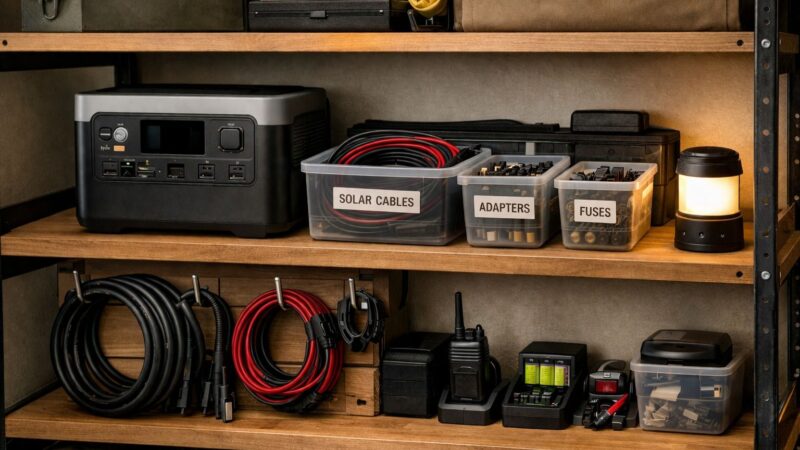
What a Real Urban Setup Looks Like
A typical urban system does not look extreme.
It might include:
- A portable power station stored in a closet
- Foldable solar panels used when needed
- A small water reserve
- A compact cooking setup
- Backup lighting and charging cables organized in one place
Everything is modular. Everything has a purpose.
The system stays out of the way during normal life and becomes essential when conditions change.
Common Mistakes to Avoid
Urban off-grid systems are simple in concept, but there are a few patterns that cause problems.
- Overbuilding too early without understanding usage
- Ignoring safety considerations
- Relying on a single point of failure
- Choosing gear based on marketing instead of real needs
Avoiding these mistakes keeps your system reliable and easier to manage over time.
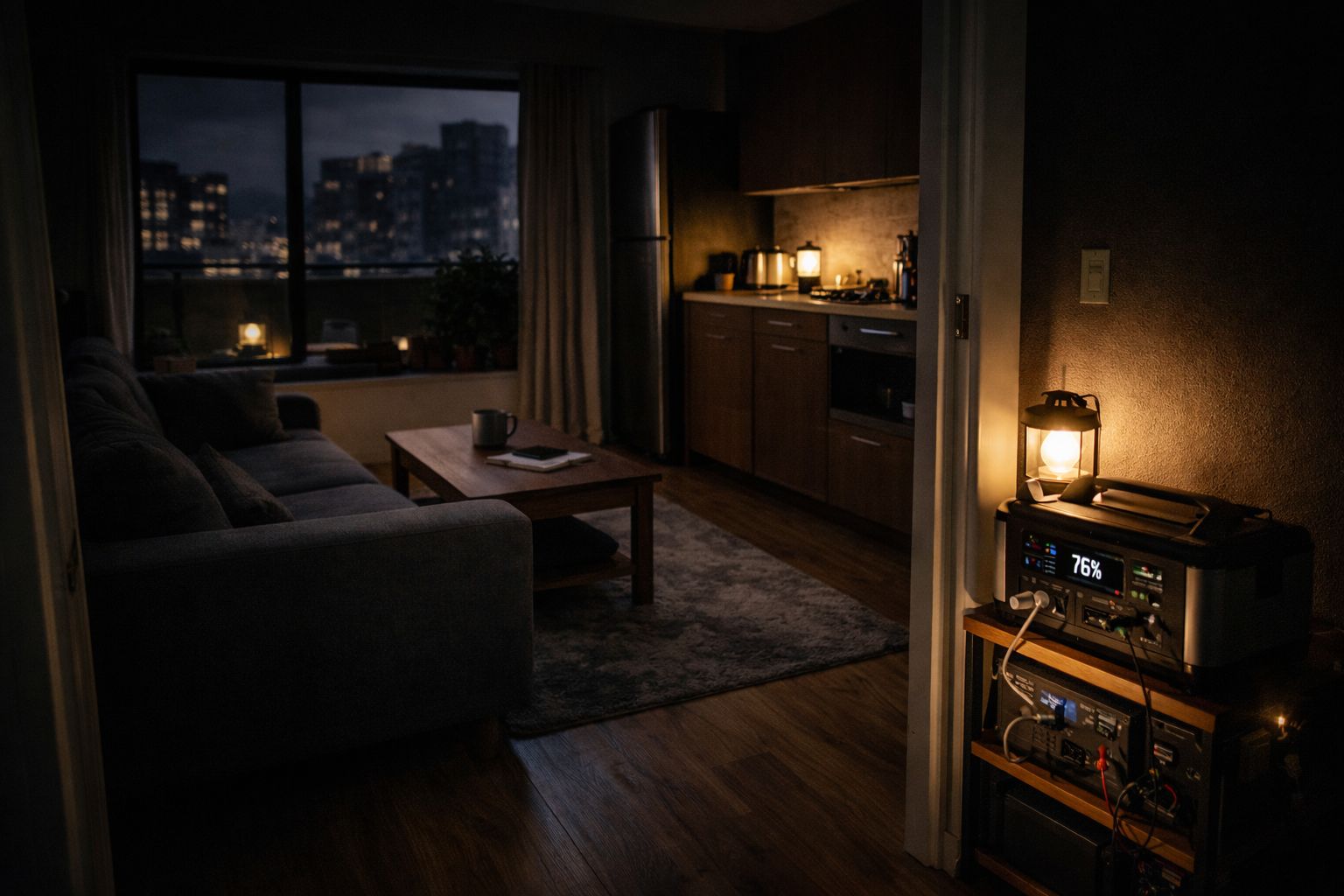
Managing Power During an Outage: Real Behavior, Not Theory
Having backup power is only part of the equation. How you use that power during an outage often determines how long your system remains useful.
The biggest adjustment is recognizing that stored energy is a limited resource. During normal conditions, most people rarely think about power consumption. When operating from batteries, every watt-hour matters.
Prioritization becomes important. Communication devices, phones, laptops, internet equipment, and essential lighting should generally take precedence over convenience loads. Running fewer devices at the same time helps extend available runtime and reduces unnecessary drain on the system.
Timing can also make a noticeable difference. If solar panels are producing power during daylight hours, that is often the best time to charge devices or operate equipment that uses more energy. Matching consumption to available generation reduces the burden placed on battery storage and can significantly extend overall system performance.
Many devices do not need to remain powered continuously. Routers, laptops, and other electronics can often be used in intervals rather than running all day. Short usage cycles allow you to complete necessary tasks while conserving energy for later.
Lighting is another area where small improvements produce meaningful results. Modern LED lights consume very little power and can provide adequate illumination without placing a significant load on your battery system. In many situations, a single task light is more practical than lighting an entire room.
Over time, you will develop a better understanding of how your system behaves. Monitoring battery levels and observing how quickly different devices consume power helps build realistic expectations. This awareness makes it easier to decide what can be run, what should be delayed, and how long your available energy is likely to last.
Preparation before an outage can also improve outcomes. Keeping devices charged, downloading important files, and reducing unnecessary background activity allows you to begin an outage with more available resources and fewer immediate demands.
Urban off-grid systems are designed to maintain essential functions during disruptions, not to replicate unlimited grid power. The objective is continuity. If you can keep critical devices running, maintain communication, and continue handling daily necessities, the system is doing exactly what it was designed to do.
The Long-Term Advantage
Urban off-grid living creates a different kind of stability.
You are less affected by outages. You have options when systems fail. You can scale your setup as your needs change.
Over time, the benefits compound.
What starts as a small backup system can grow into a fully integrated part of your daily life.
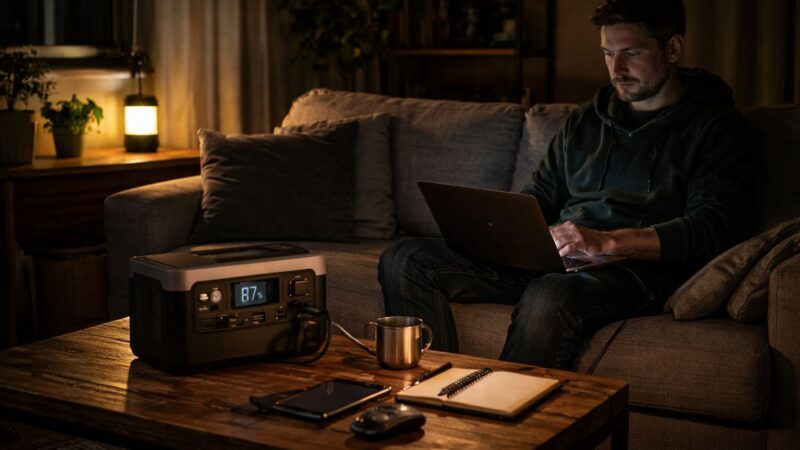
Final Thoughts: Building Control Into Your Environment
Urban off-grid living does not require drastic changes.
It starts with a single decision to become less dependent on systems you do not control.
From there, you build gradually. You learn how your setup works. You improve it over time.
The result is a system that supports your life quietly, consistently, and reliably.